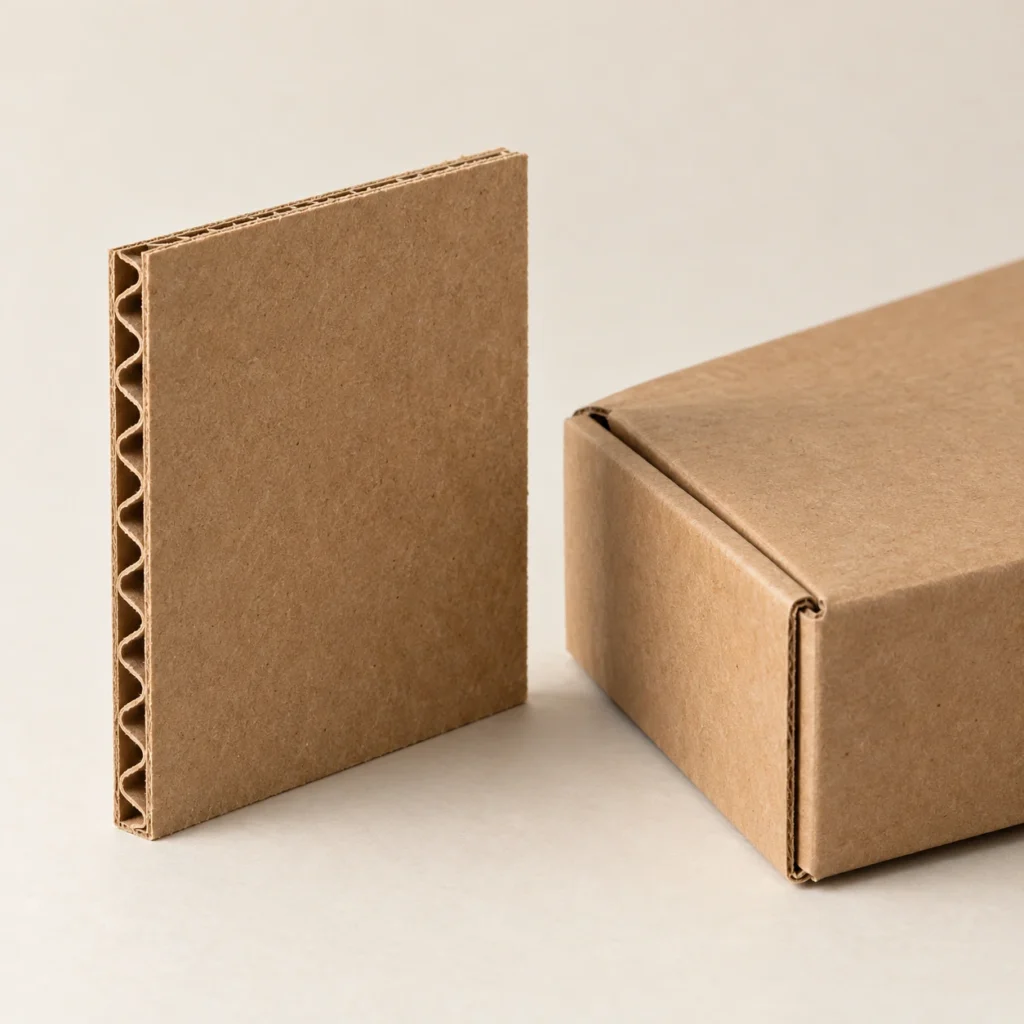
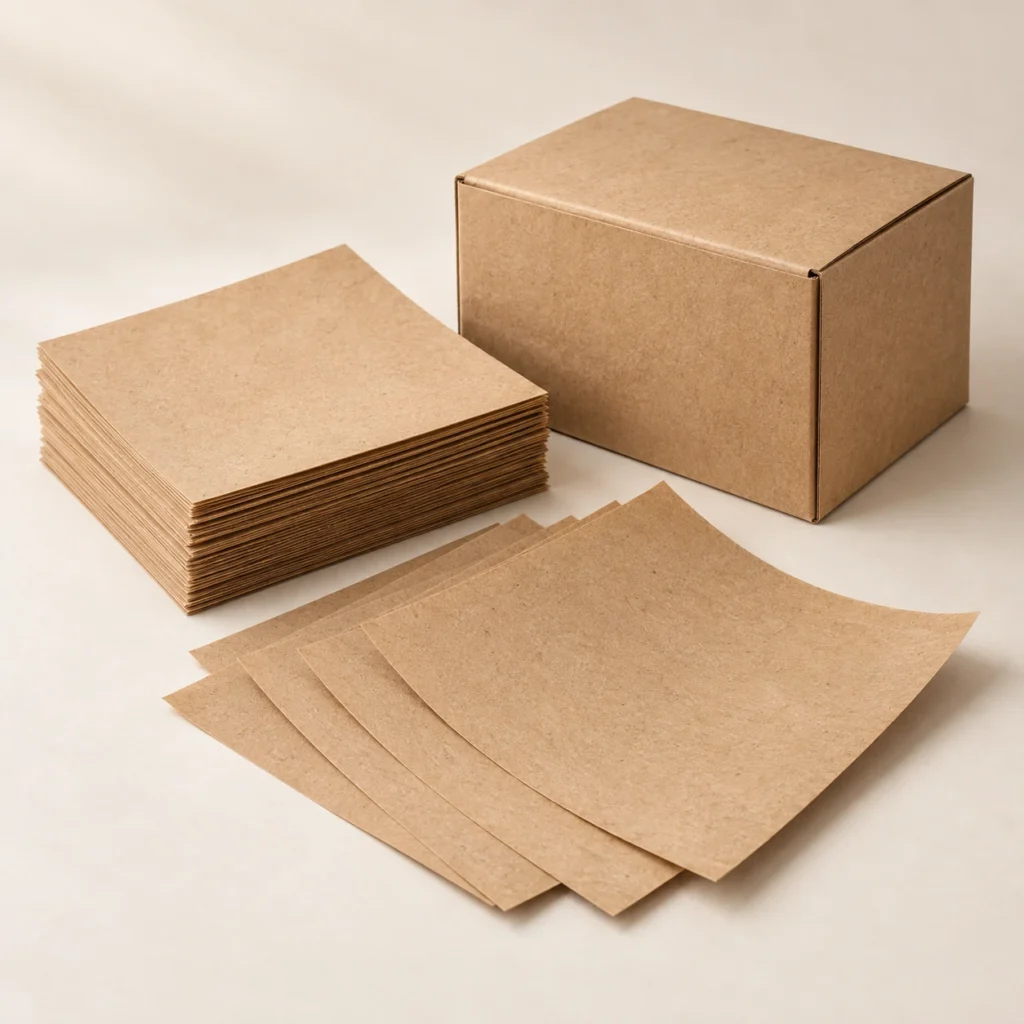
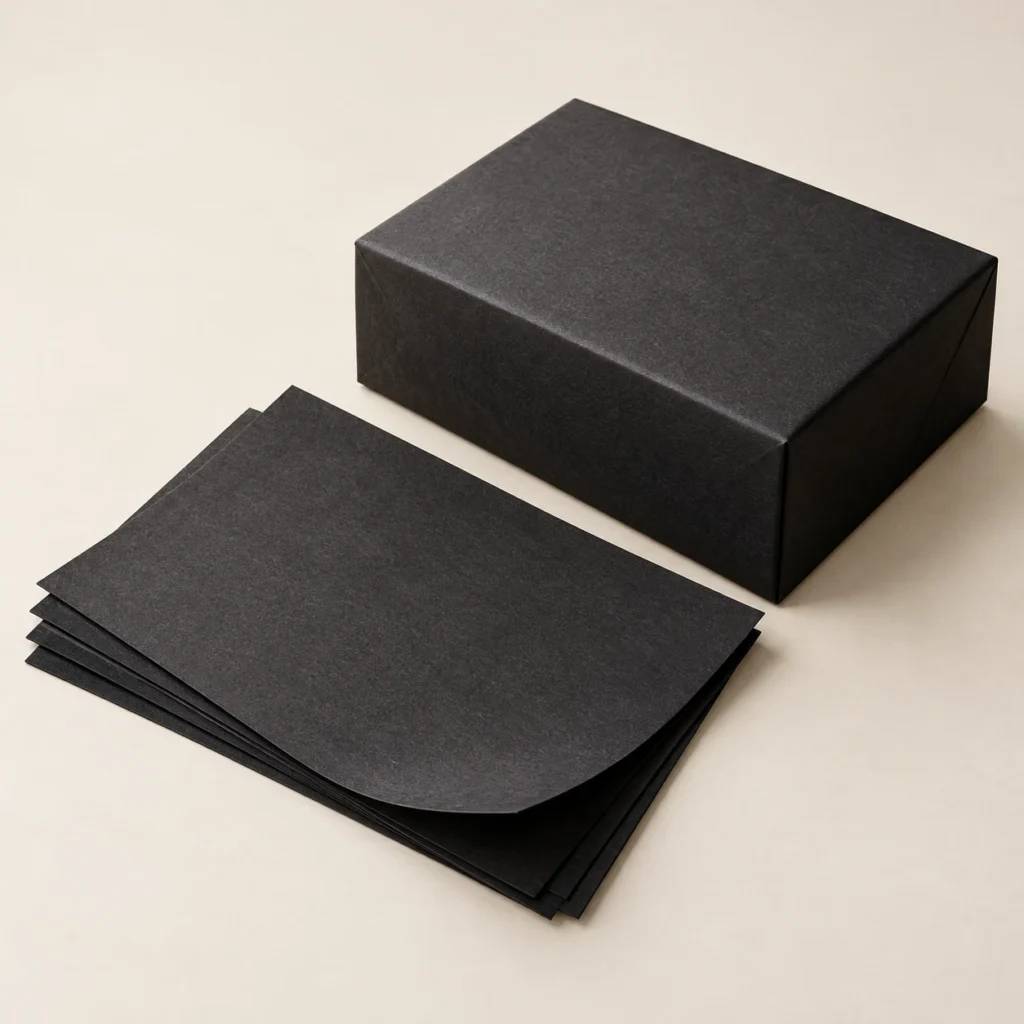
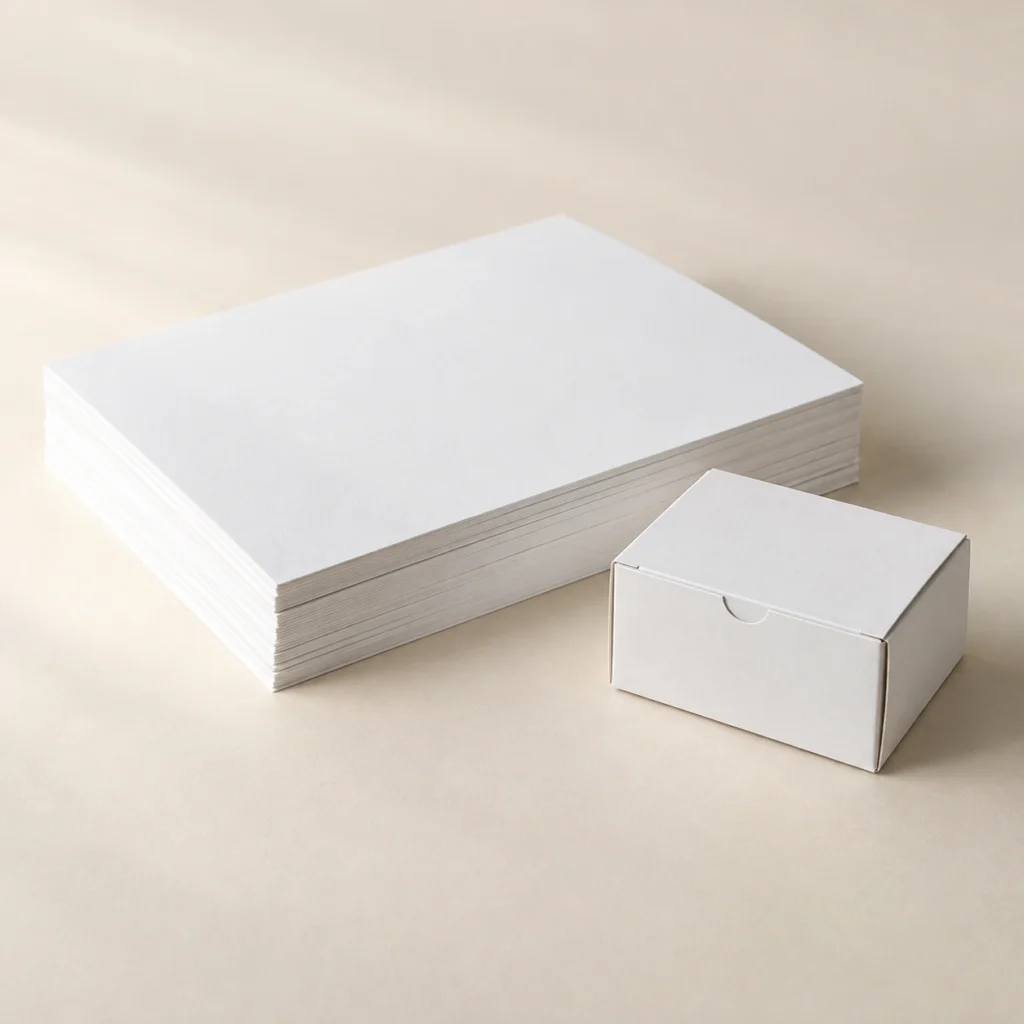
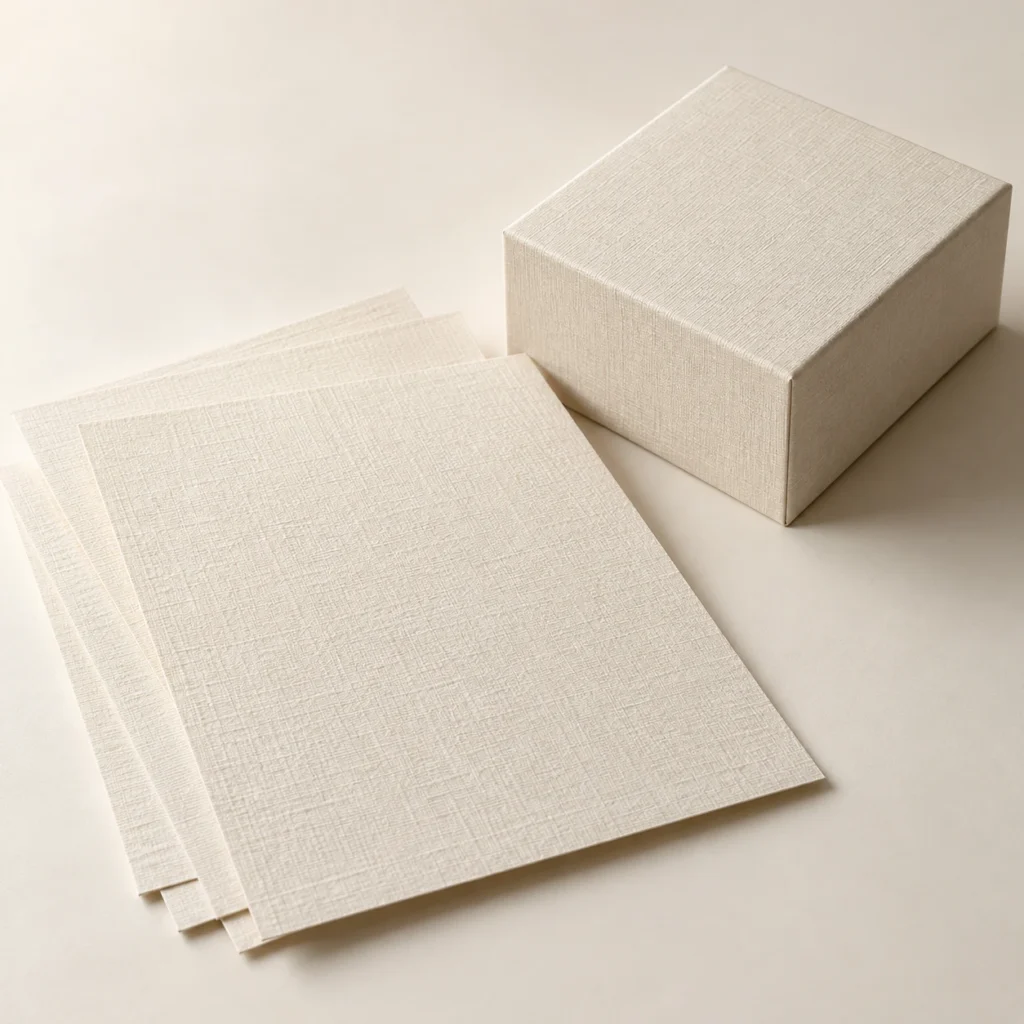
Choose each packaging material by the job it performs. Core board, folding stock, decorative wrap and an insert are separate parts of a purchase specification.
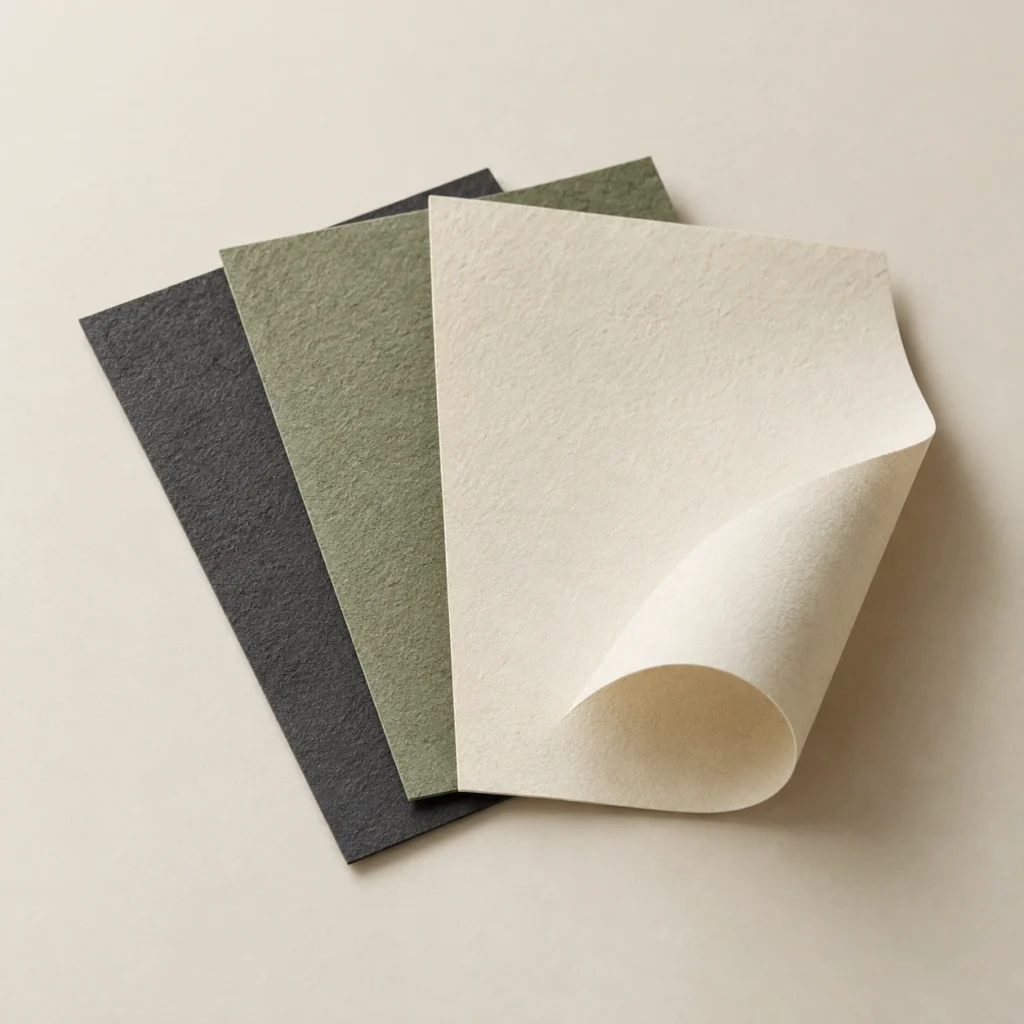
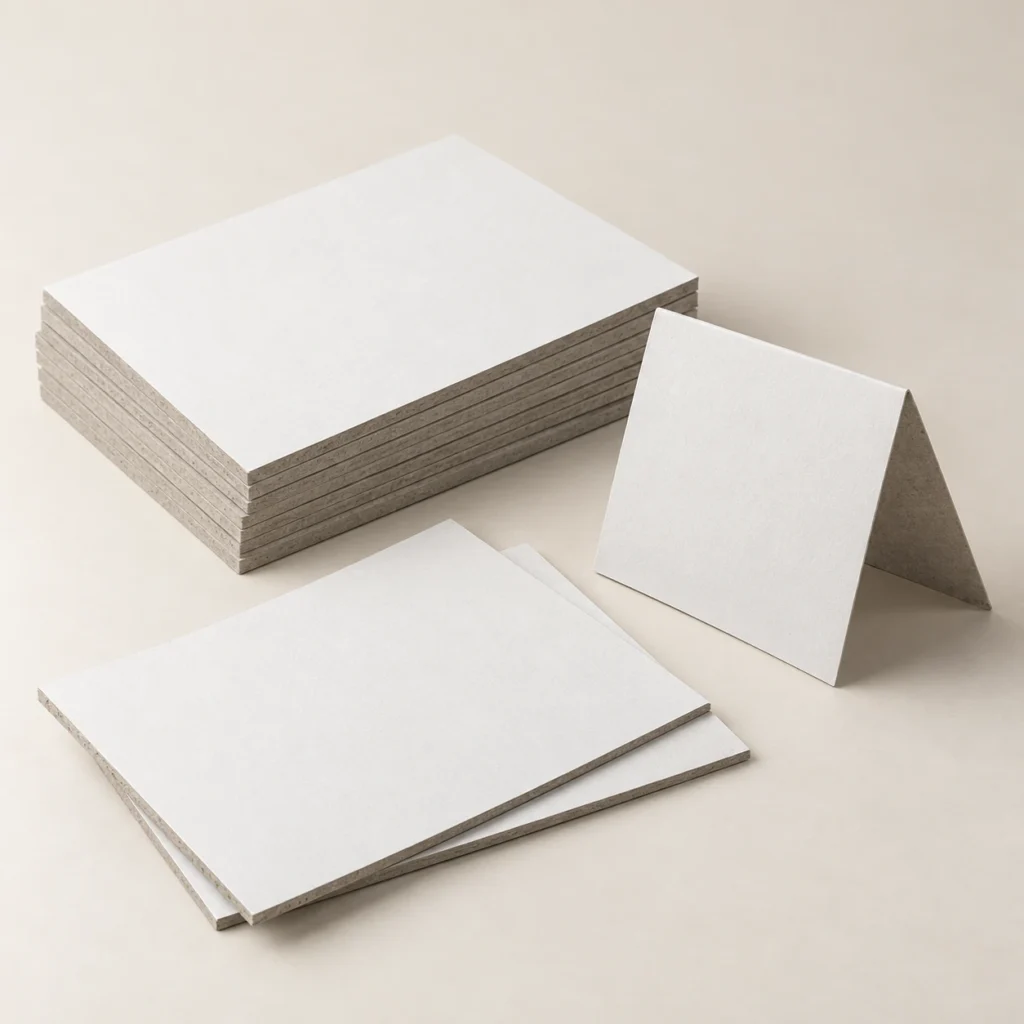
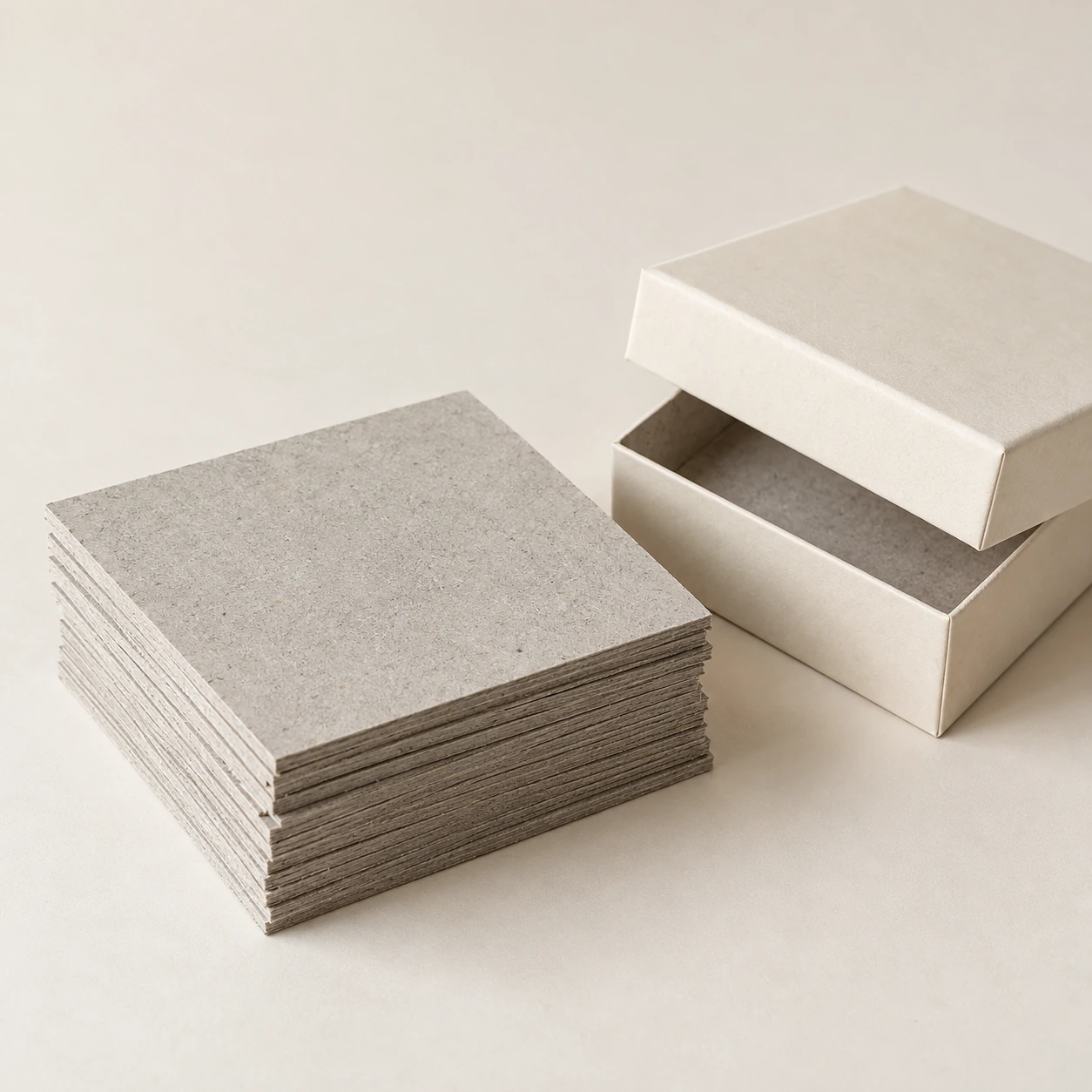
AI concept: grey fibrous board sample sheets beside an ivory-wrapped rigid box.
Write a component-level material brief
Brand packaging teams and importers often receive quotations that use the same material name for different components. Identify the rigid core, the printed carton shell, the visible wrap and any internal support before comparing prices. A paper sample can guide colour and texture, while the finished sample shows how those choices work with joints, edges and closure clearances. Keep supplier substitutions linked to the approved drawing.
What to put in the brief
Name the component and its finished use, rather than requesting only a generic board weight.
Separate the paper appearance from any foil, lamination or printed effect.
Request project-specific sourcing documentation where a material claim is required.
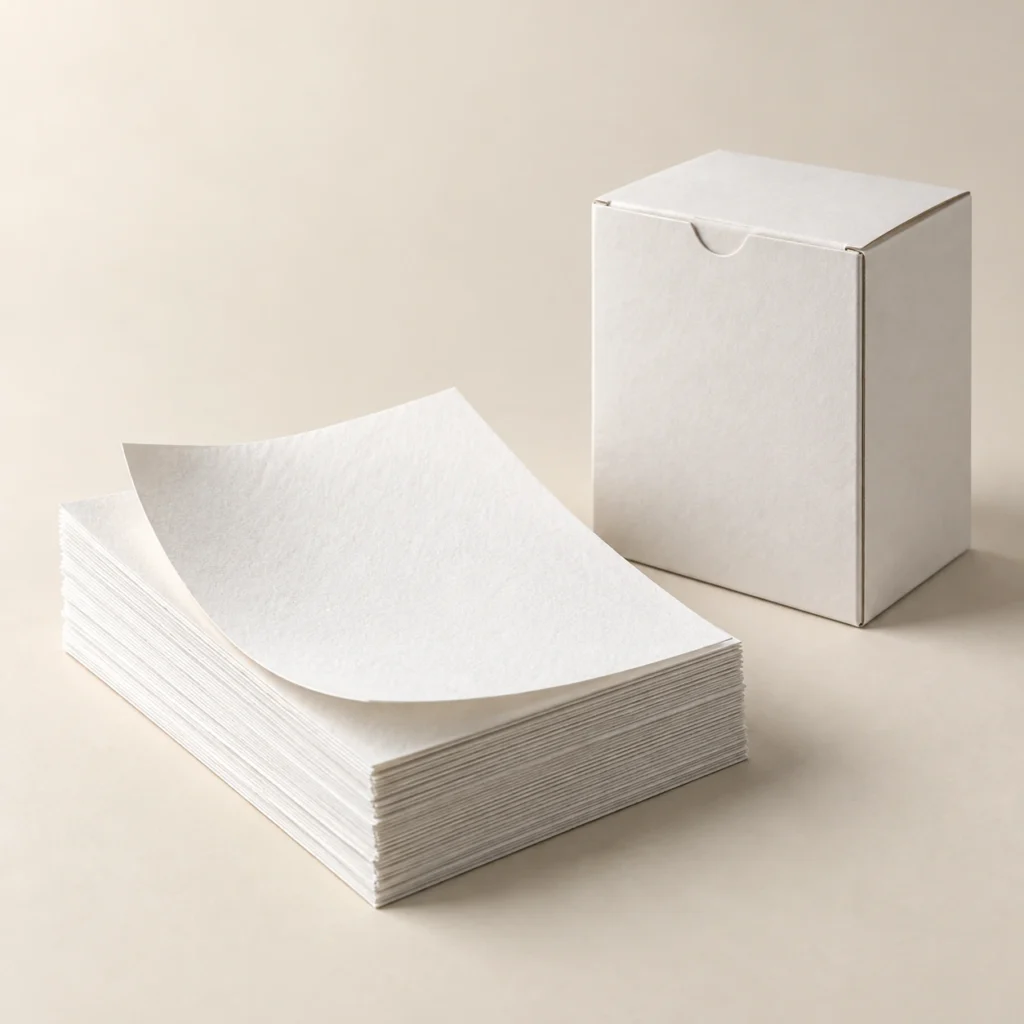
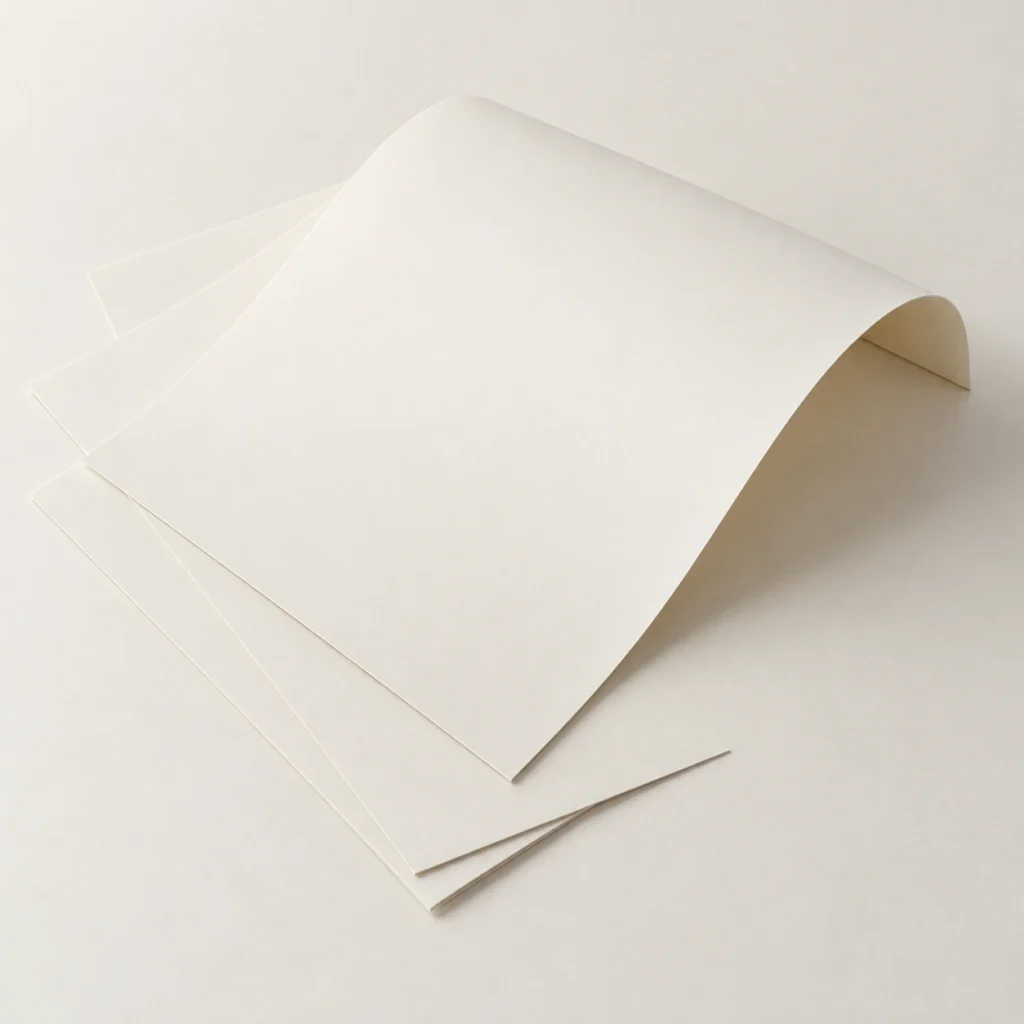
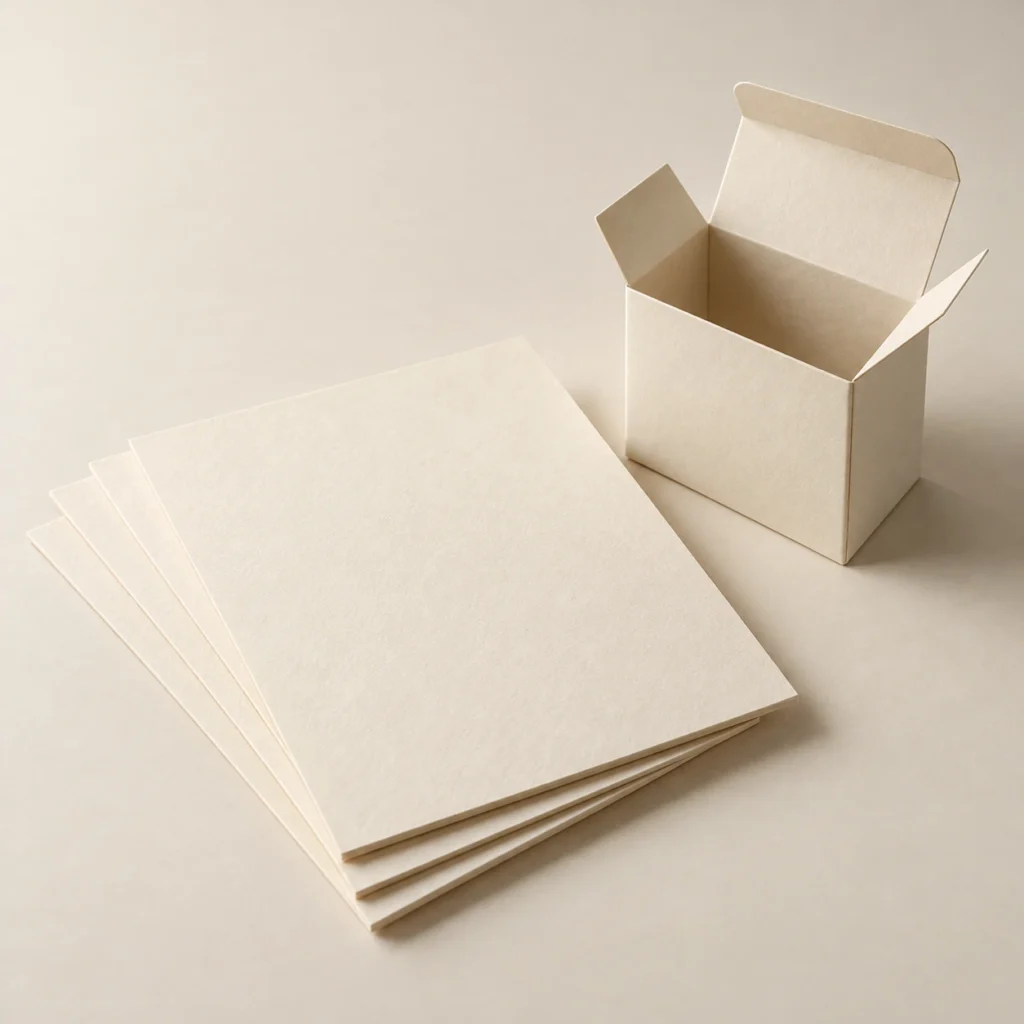
AI concept: ivory paperboard sheets beside an open ivory tuck carton.
Questions to resolve before the next step
Can a material be selected from a screen image alone?
Use images to discuss direction. Confirm the stock grade, caliper, appearance and relevant documents on the proposed material and sample before ordering.
Is this a standalone paper-stock catalogue?
These options support custom packaging development. Confirm material quantities, availability and any standalone supply scope for the proposed project.
Share the component, intended box or product, dimensions, artwork reference, estimated quantity and destination. LUX BOX will review the selection and sampling scope. Material and accessory supply conditions are confirmed for the project.
A product photo and a rough quantity are enough to begin. Our purchasing and structural teams will clarify dimensions, materials and finishes with you step by step. Standard MOQ is near 1,000 pieces; smaller runs require review.

 Material