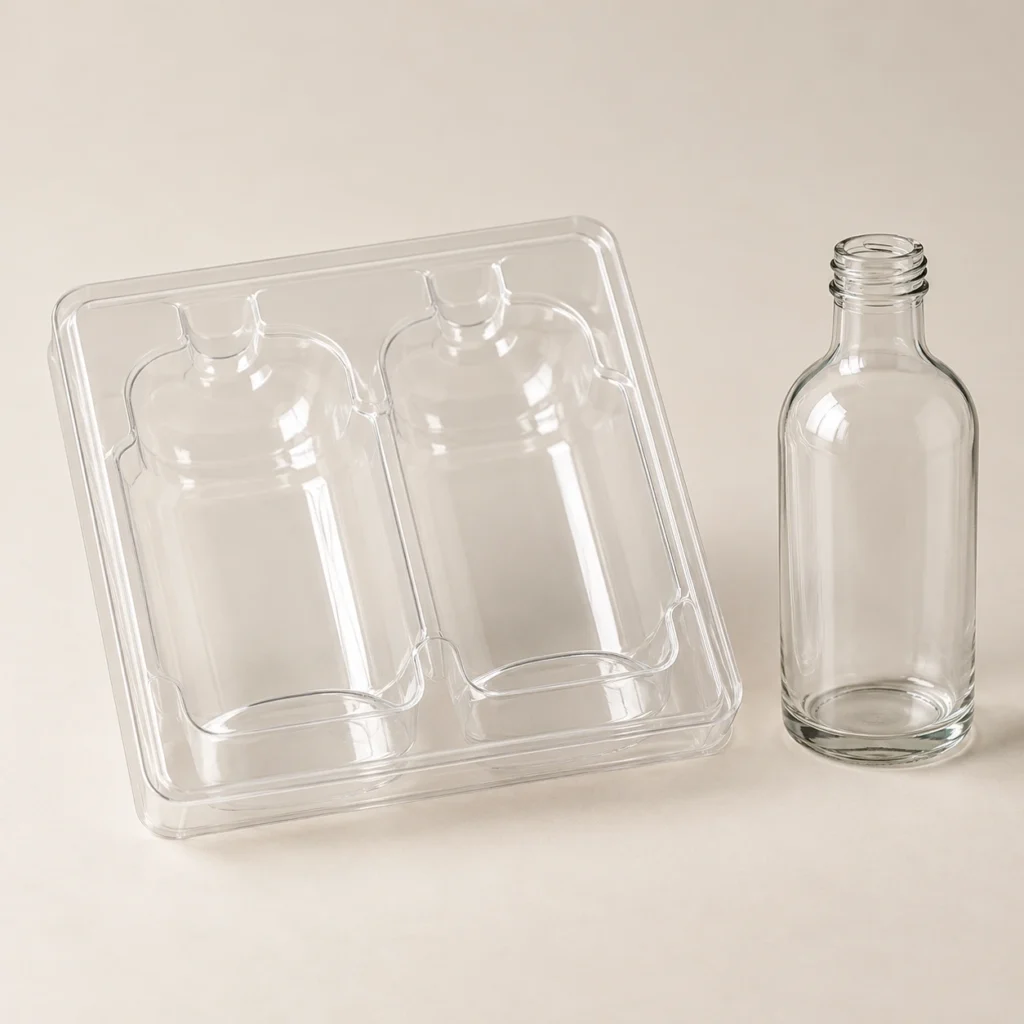
Choose a packaging insert from the product profile and packing route. Retention, loading and removal should be reviewed together with the outer box.
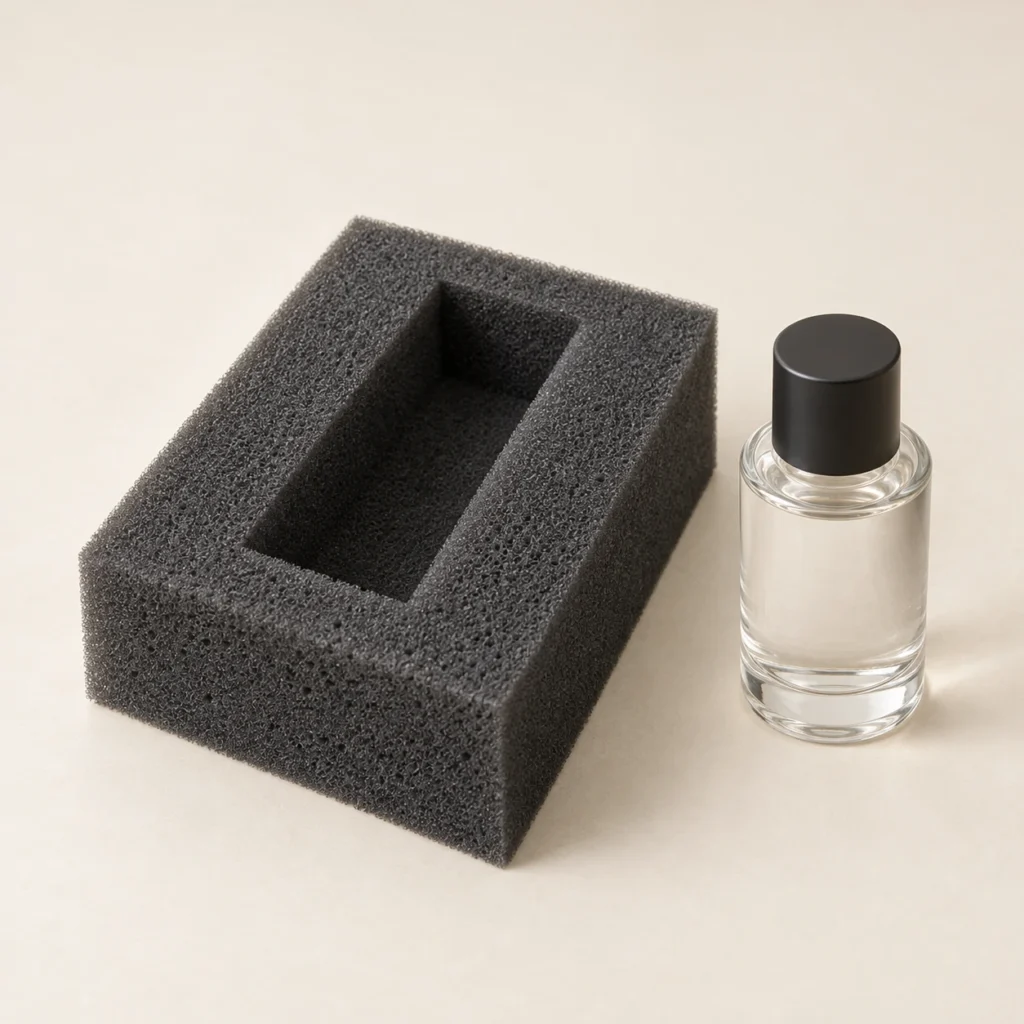
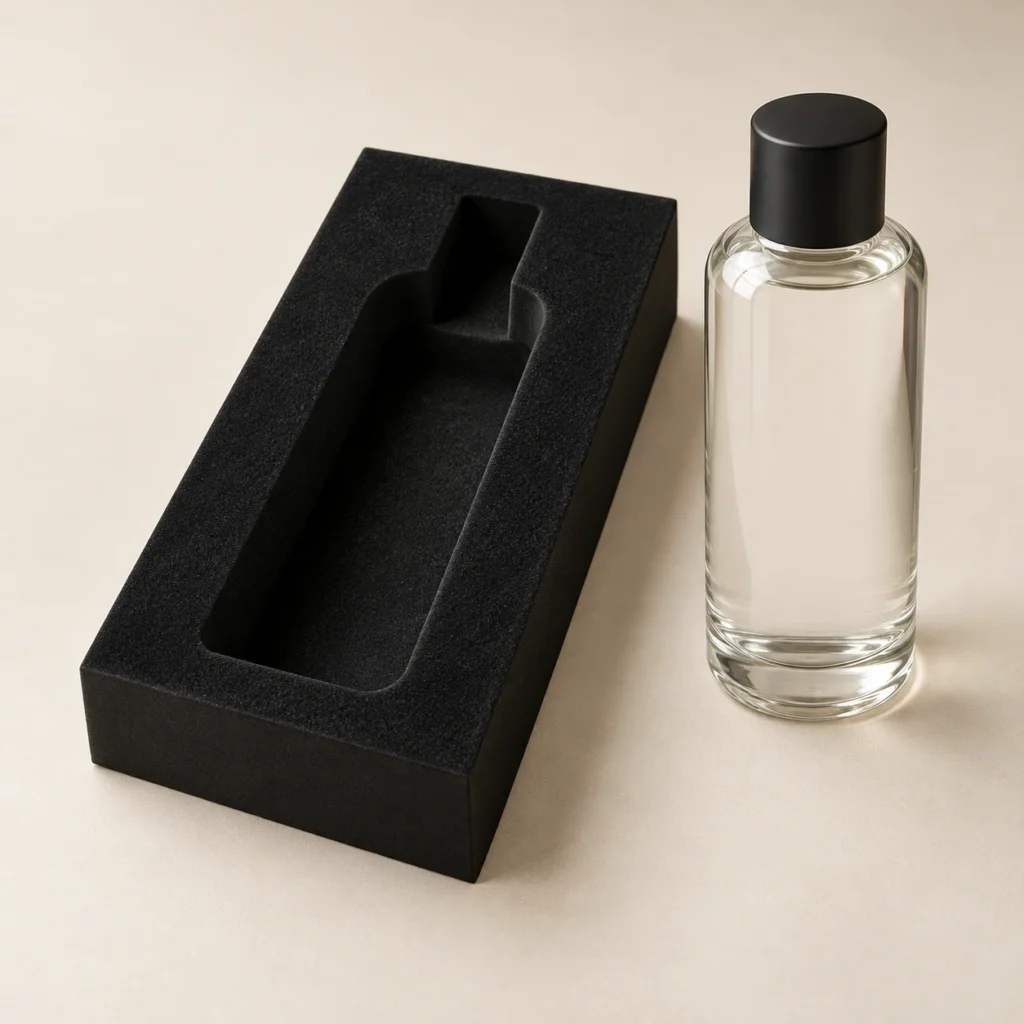
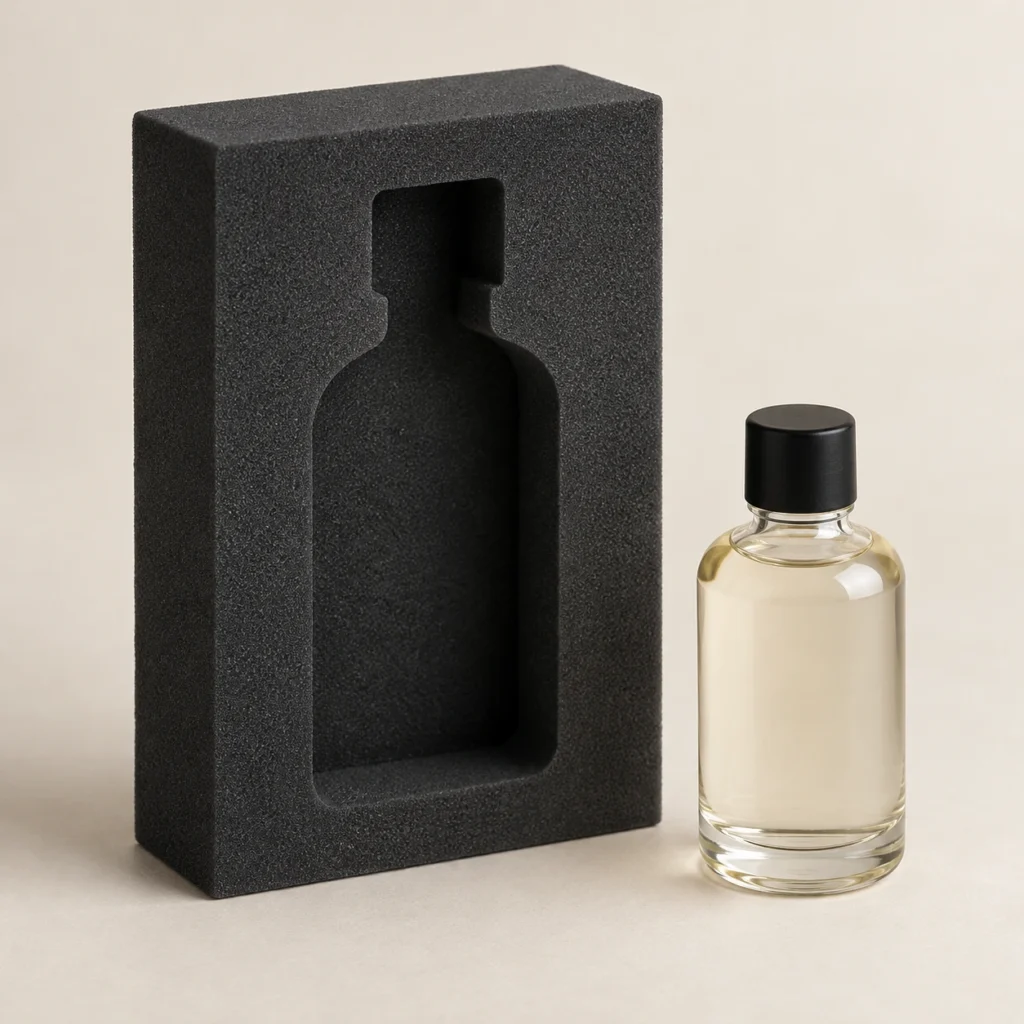
AI concept: a charcoal foam insert with a bottle-shaped recess beside a small clear capped bottle.
Develop support around contact points
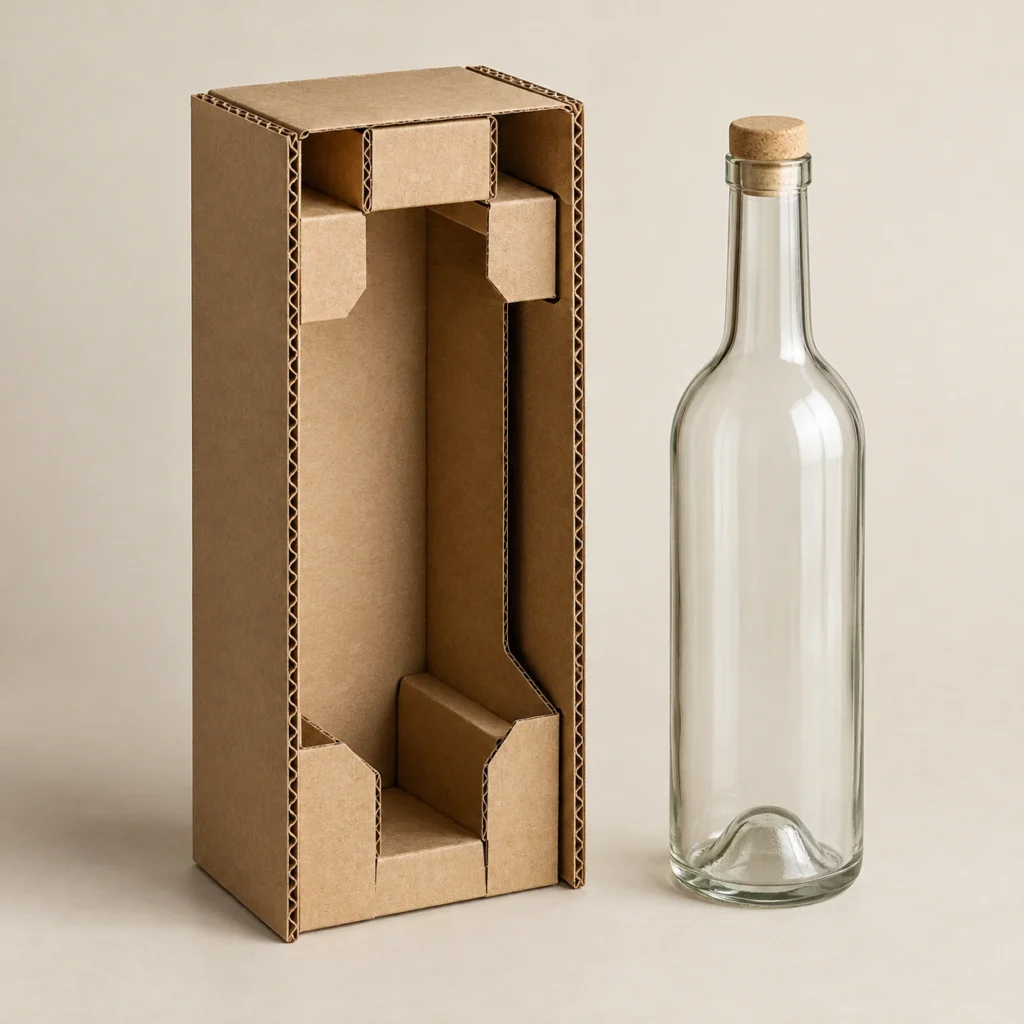
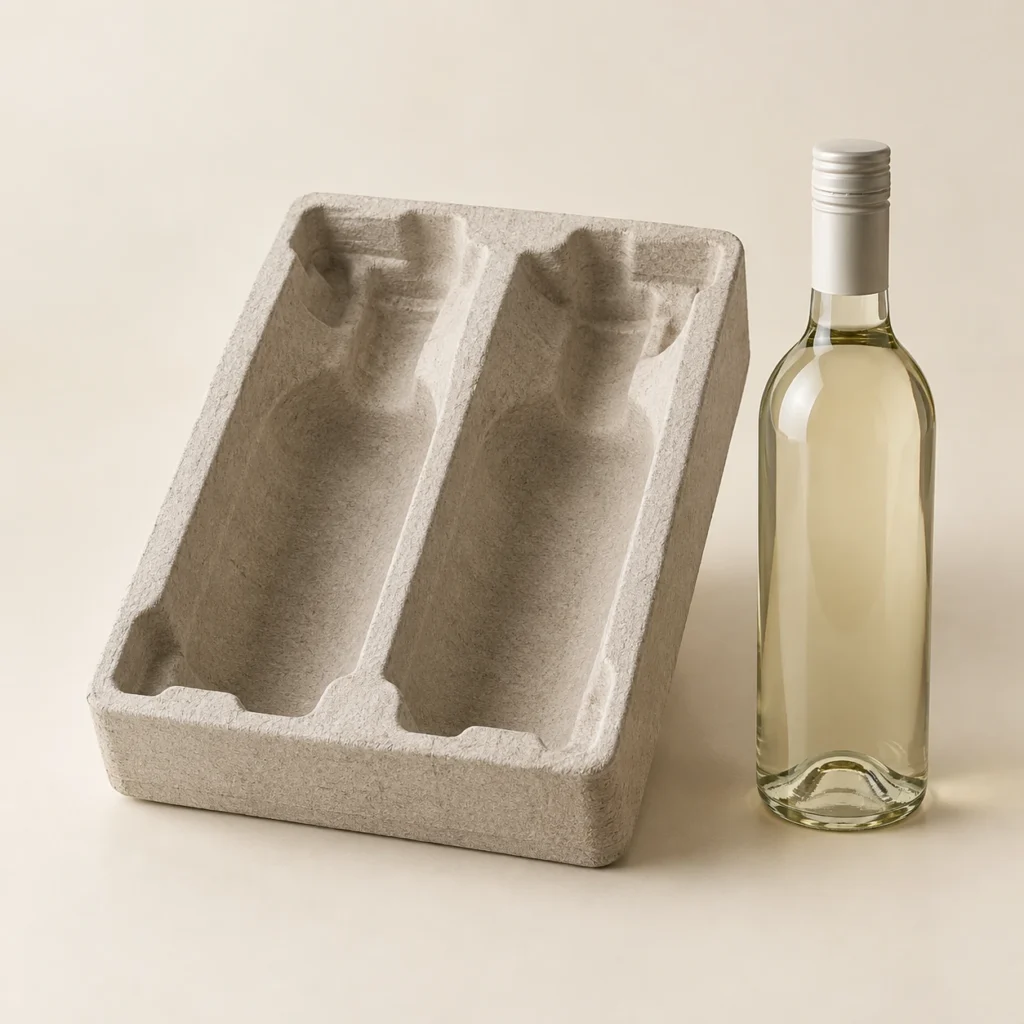
Brands shipping glass, cosmetics or mixed gift sets need an insert brief that identifies what may touch the product and where movement should be controlled. Folded paperboard and corrugated supports have a different construction from cut foam, molded pulp or clear formed trays. Compare practical loading, sensitive decoration, the available cavity and the proposed distribution evaluation. A tight-looking recess does not by itself establish adequate protection.
What to put in the brief
Measure the finished product, including its closure, label and any projecting parts.
Identify permitted contact areas and how the user or packing team removes the item.
Review the complete product, insert and box as the agreed sample system.
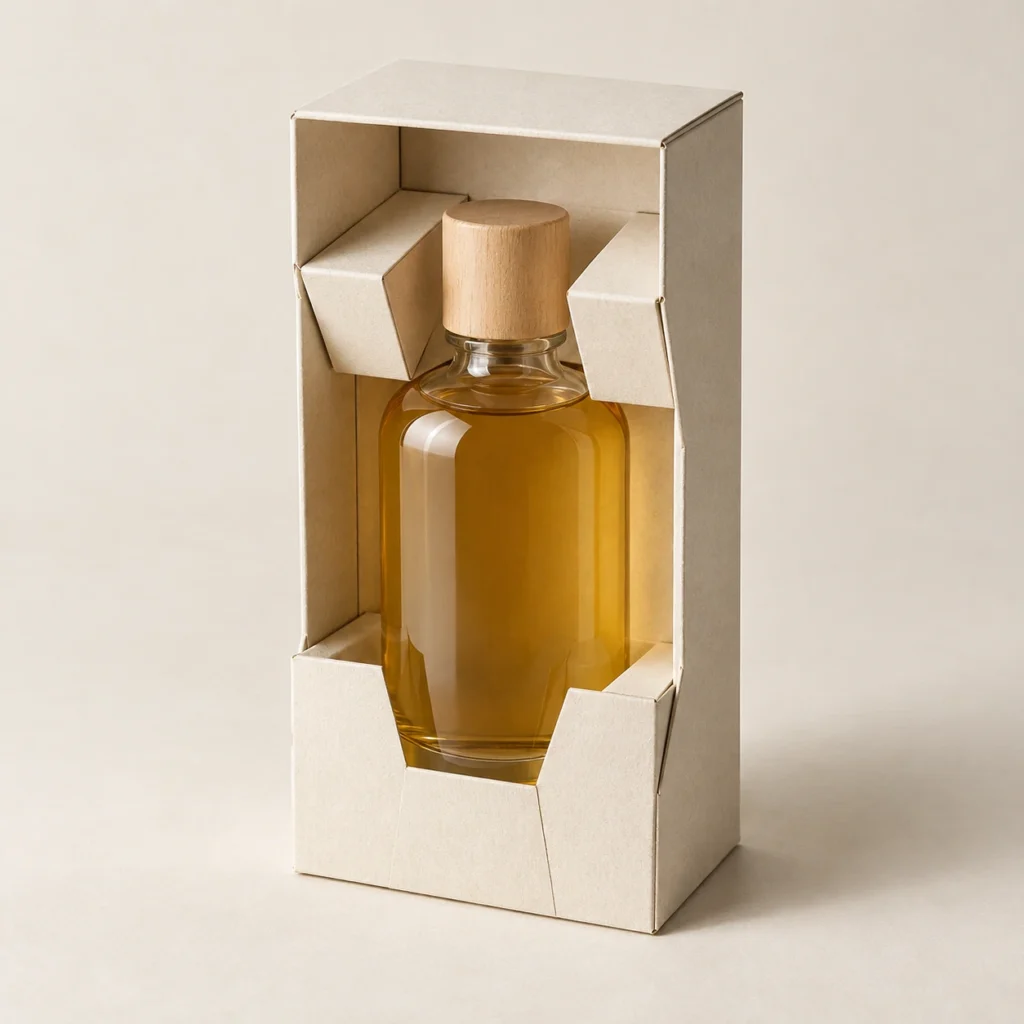
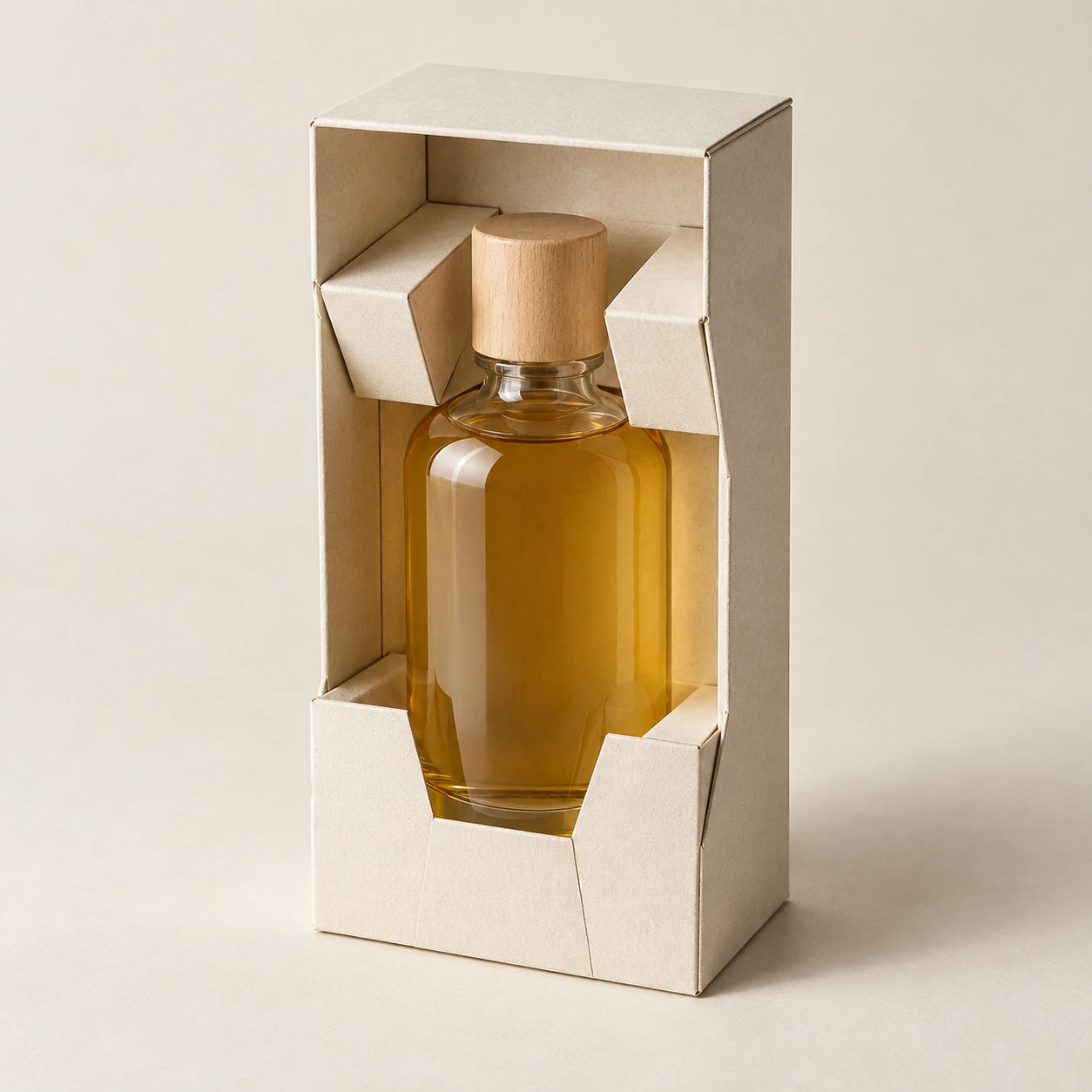
AI concept: an ivory folded paperboard insert supporting a capped glass bottle.
Questions to resolve before the next step
Which insert material guarantees that glass will not break?
No material choice provides a universal guarantee. Select a proposed support, then agree a suitable evaluation for the complete pack and the actual handling route.
Can I approve an insert before choosing the box?
Develop the insert with the outer box and actual product. The wall, cavity and loading clearances affect one another.
Share the component, intended box or product, dimensions, artwork reference, estimated quantity and destination. LUX BOX will review the selection and sampling scope. Material and accessory supply conditions are confirmed for the project.
A product photo and a rough quantity are enough to begin. Our purchasing and structural teams will clarify dimensions, materials and finishes with you step by step. Standard MOQ is near 1,000 pieces; smaller runs require review.
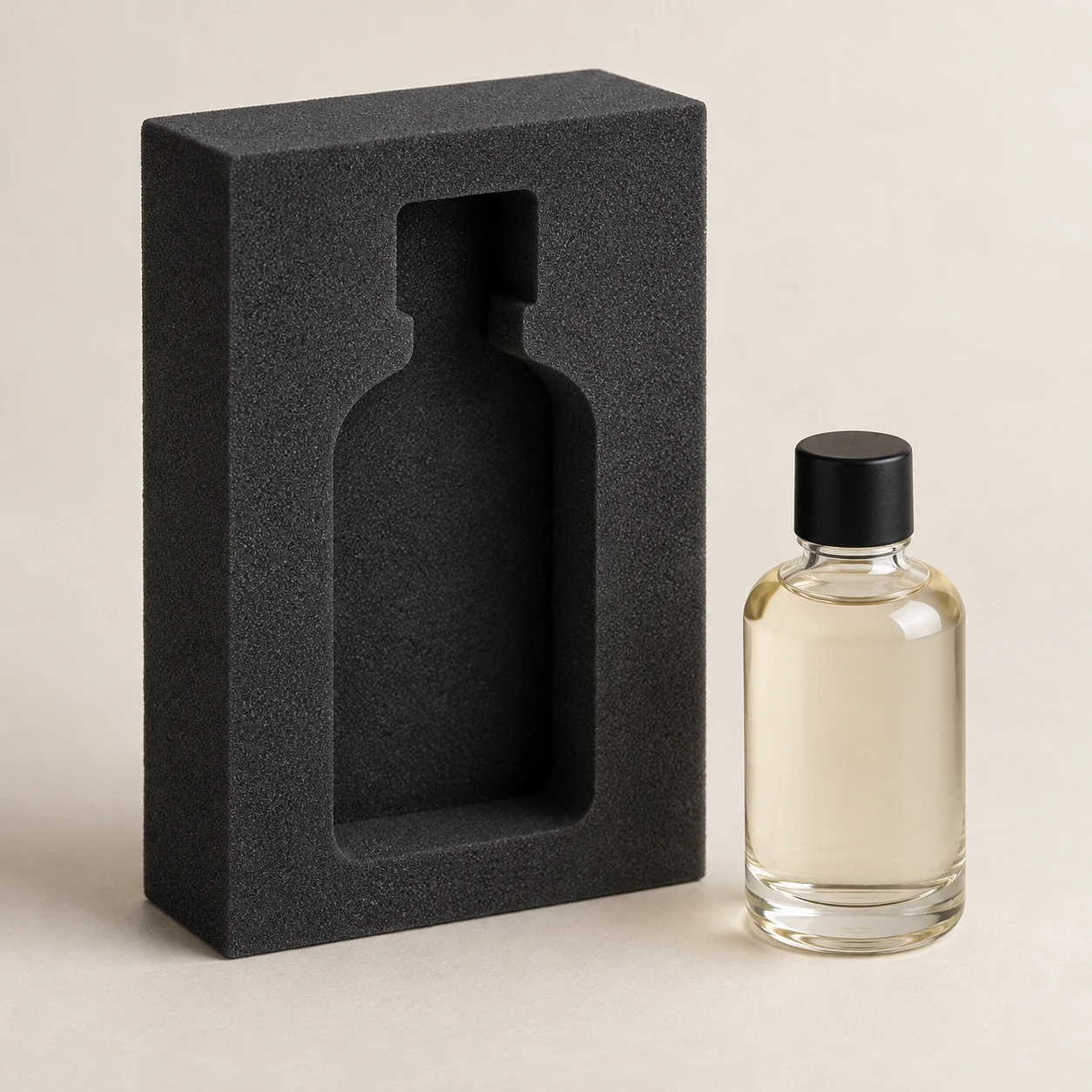
 Insert Type