Select a packaging printing route around the artwork, stock and converting plan. Compare color intent and approval methods before choosing a finish.
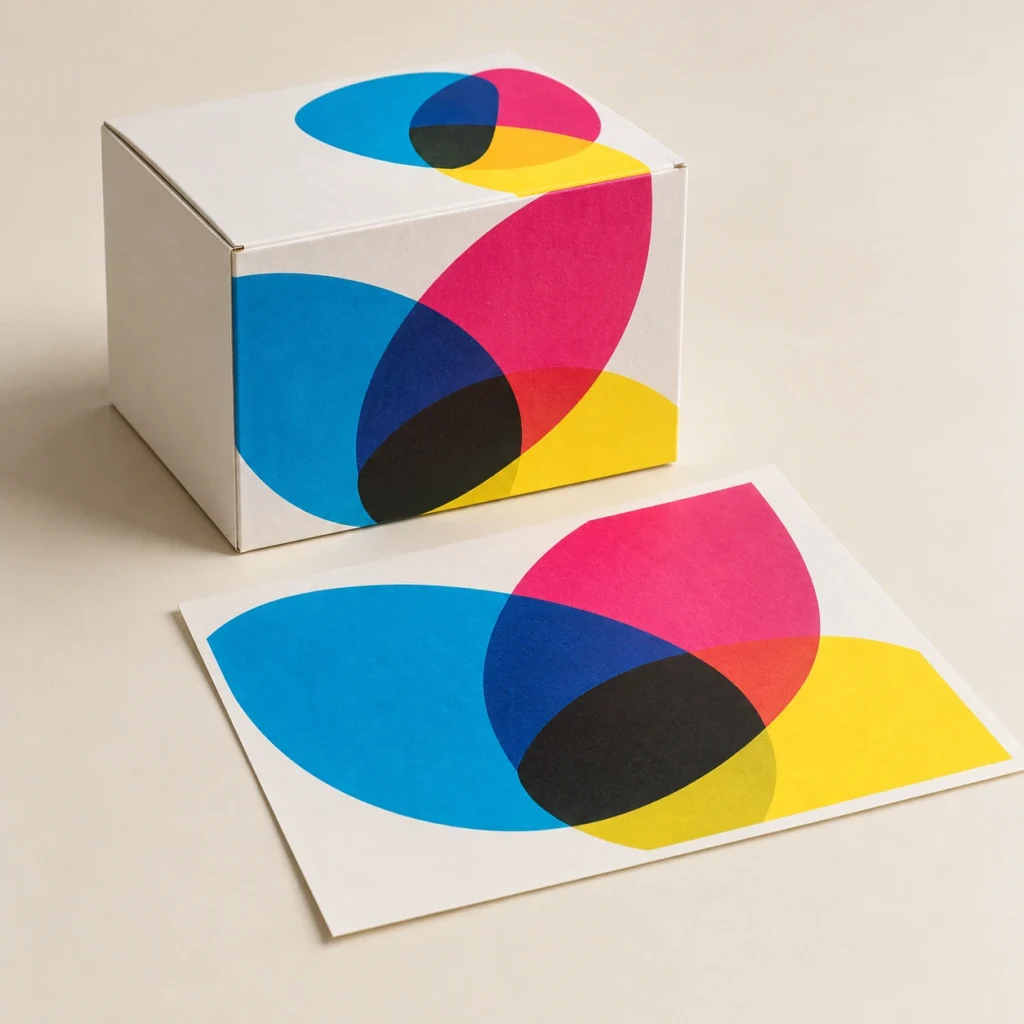
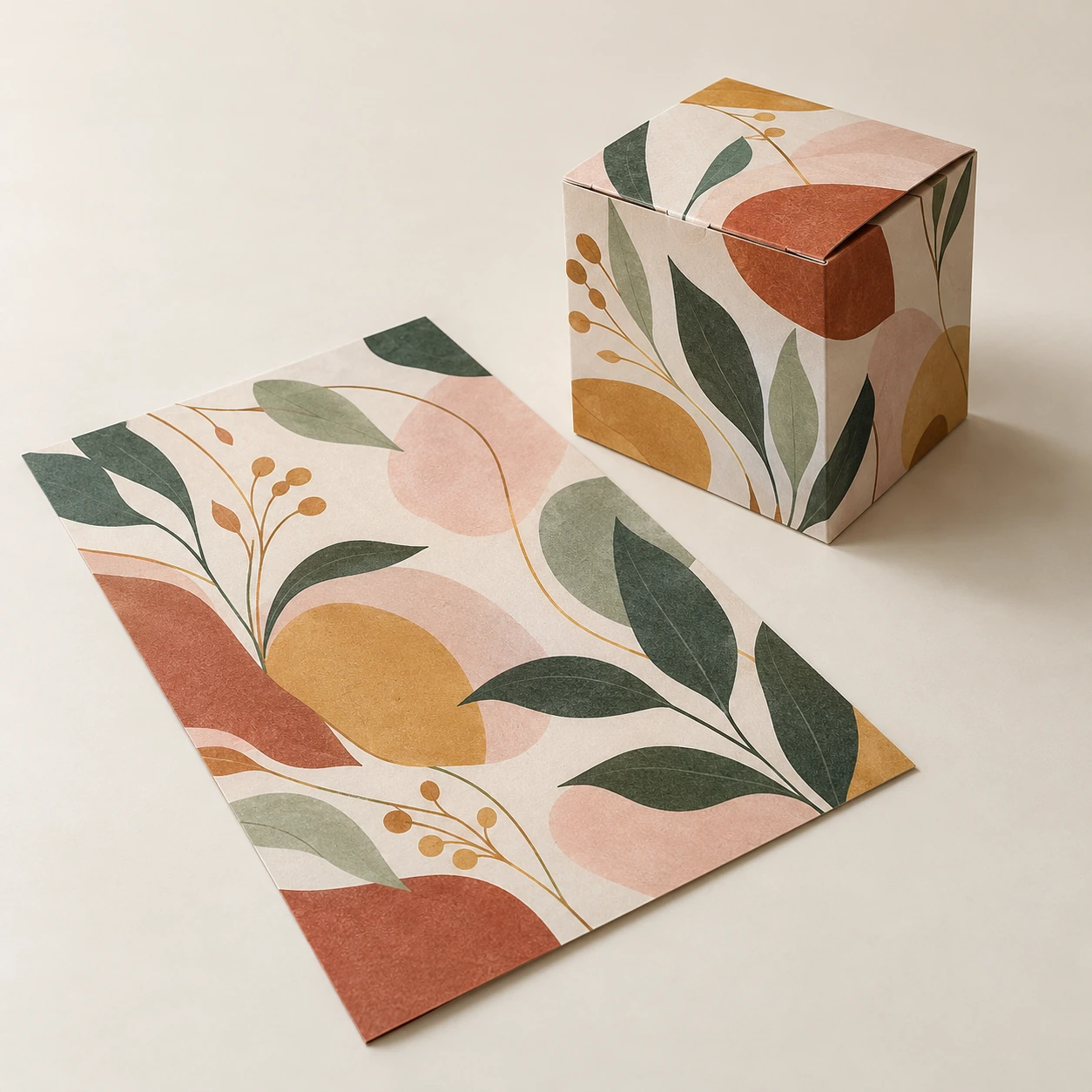
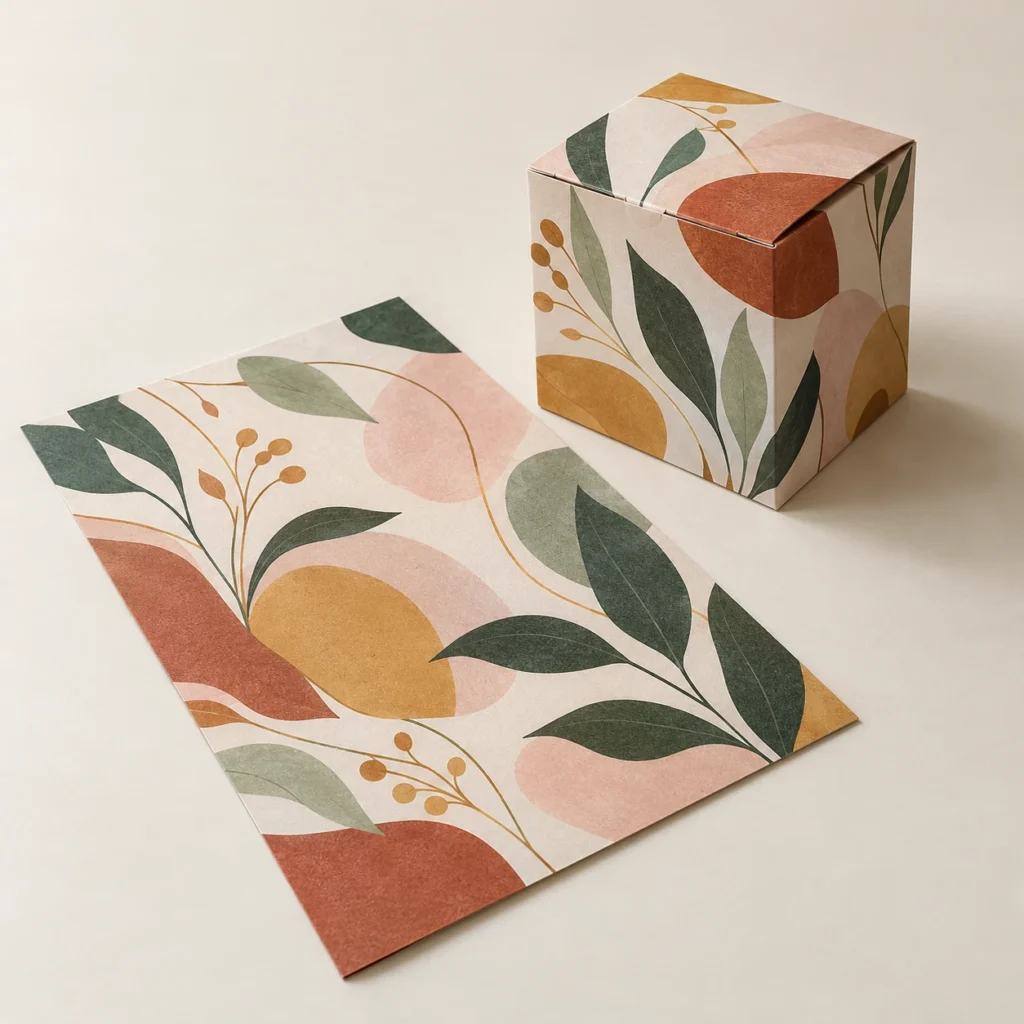
AI concept: a multicolour botanical print on a carton and matching flat paper sample.
Build the proof around the artwork that matters
Brand owners and private-label buyers should identify which colors, fine lines and image areas require particular attention. Process-color artwork, a separately specified spot color and white ink on dark stock create different review tasks. A monitor preview is useful for layout, but it is not a physical color standard. Agree the reference, printed surface and approval scope before a repeat order depends on an earlier file.
What to put in the brief
Supply a controlled artwork version and identify any critical brand-color area.
Keep printing, surface treatment and substrate selection separate in the quotation.
Review the print after the proposed converting or lamination route where appearance may change.
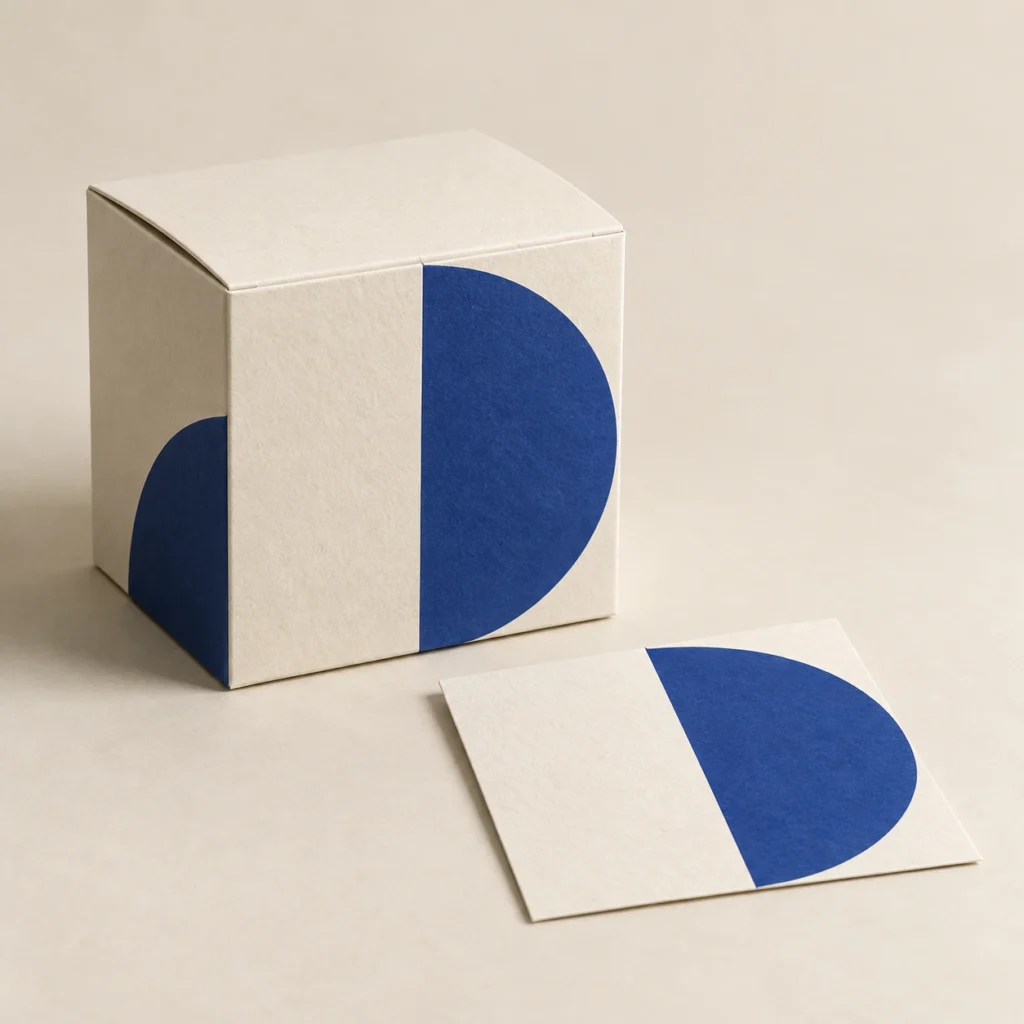
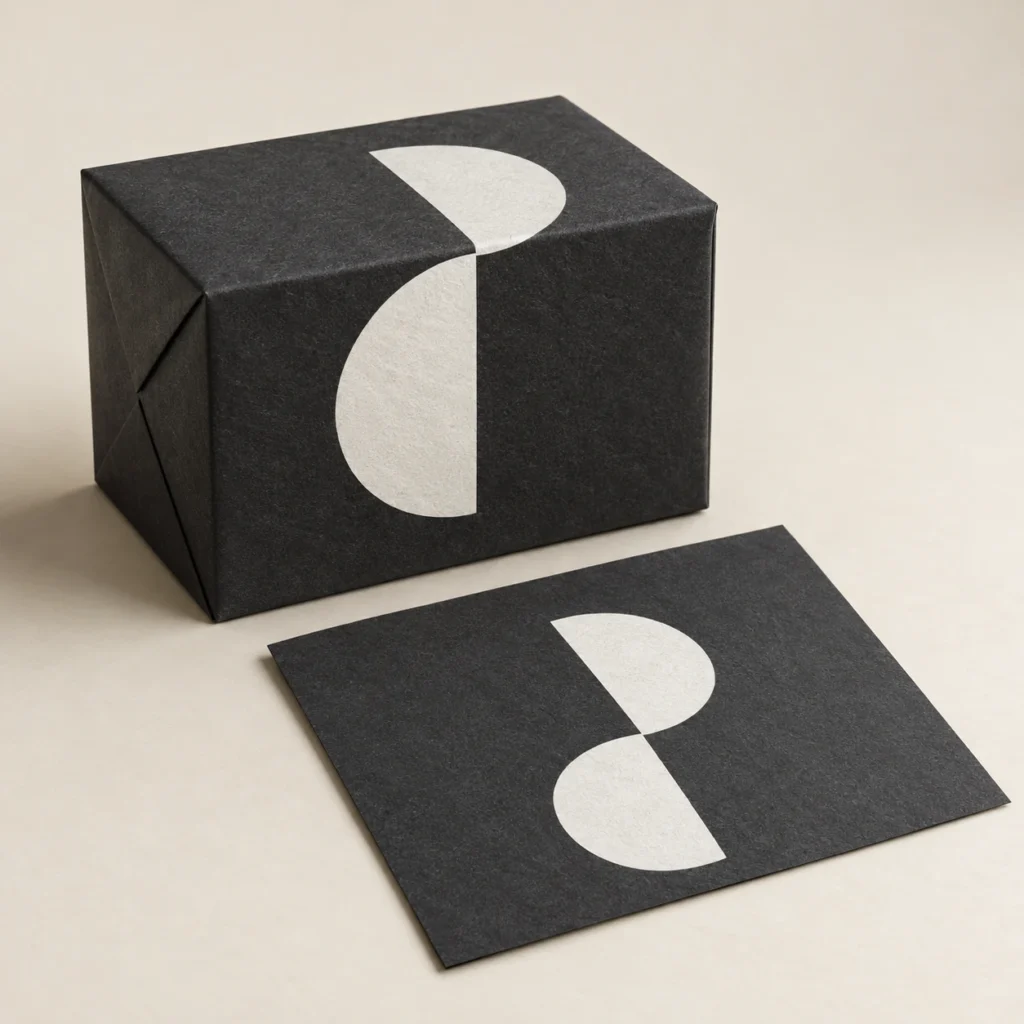
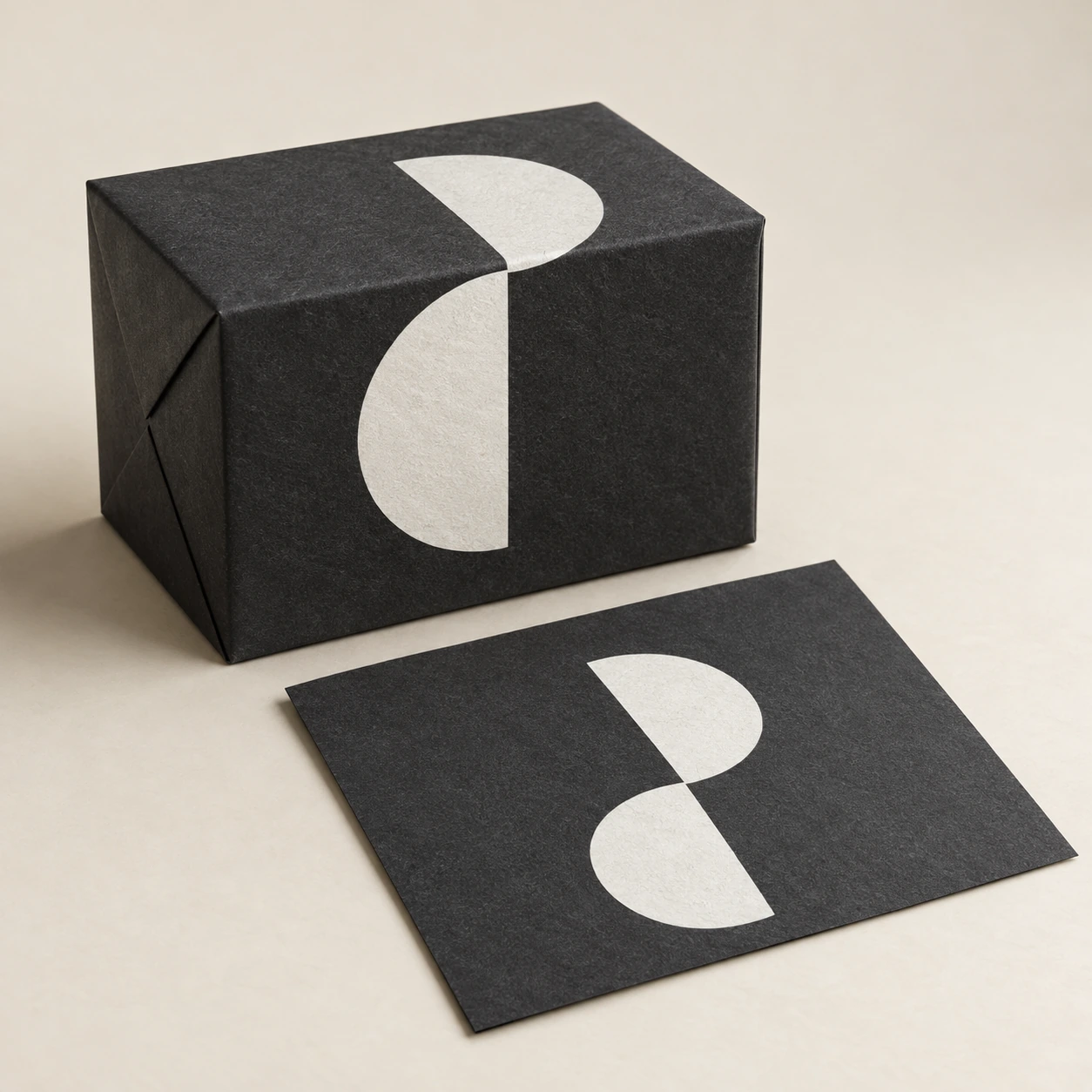
AI concept: a dark charcoal carton and paper sample with a flat white geometric print.
Questions to resolve before the next step
Should every brand color be specified as a spot color?
That depends on the artwork and selected process. Identify the critical color and an agreed physical reference, then review the proposed separation and proof.
Will one artwork file look identical on brown and white paper?
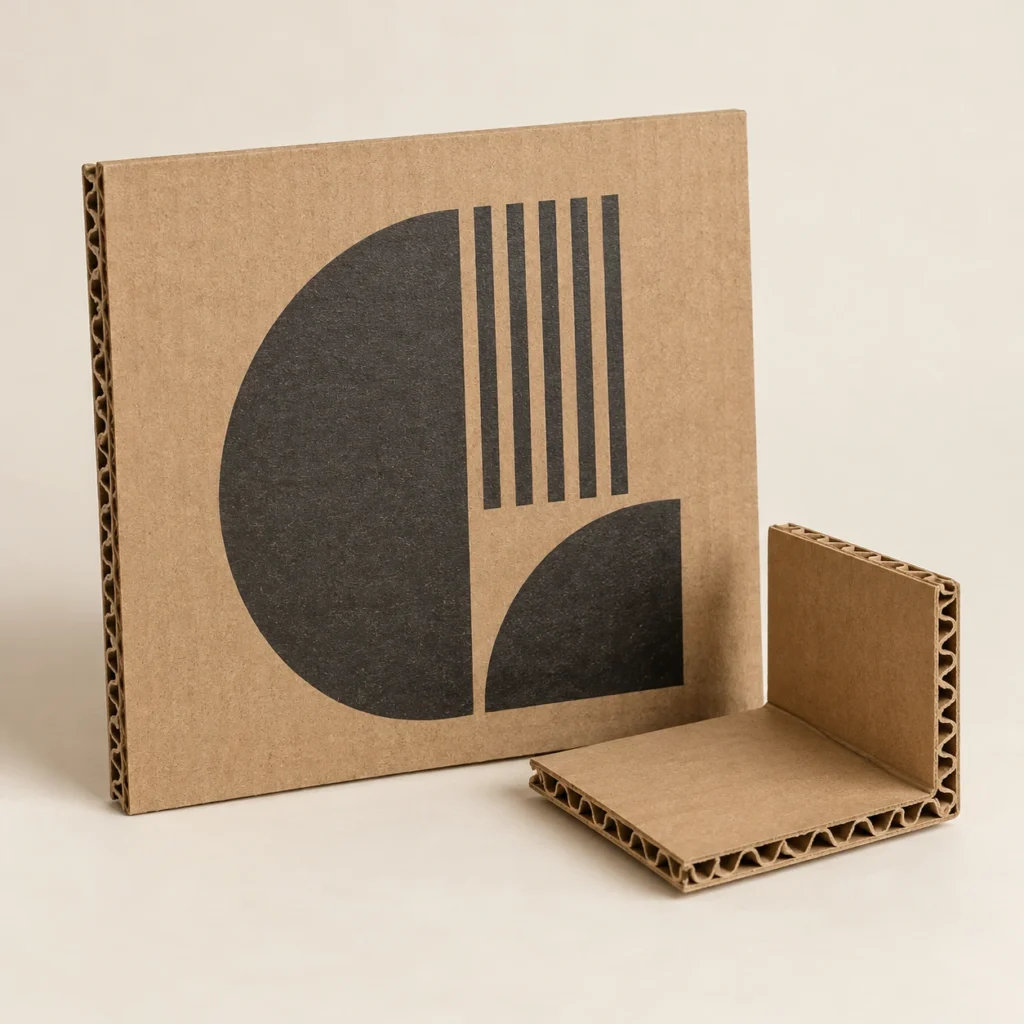
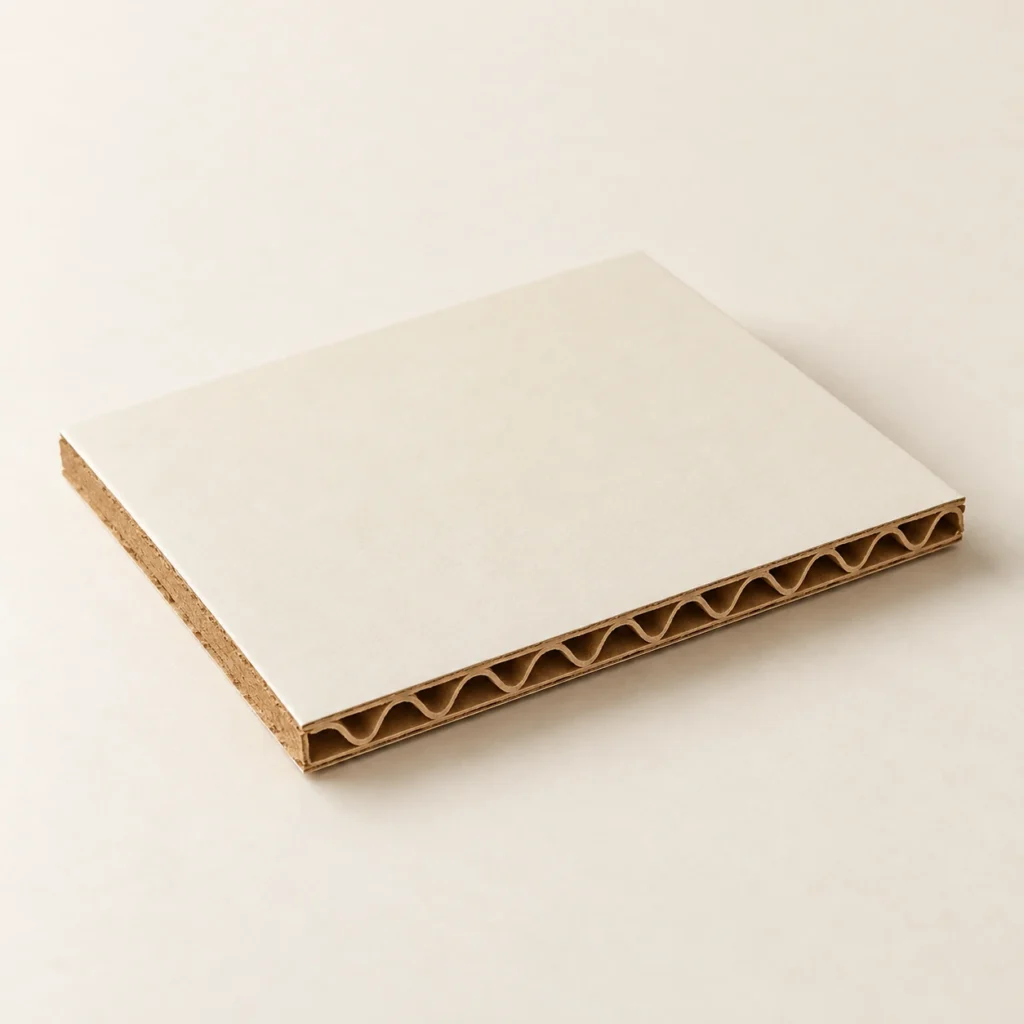
The substrate changes the visible result. Review color and any required white ink on the actual proposed stock rather than assuming a screen preview will match both.
Share the component, intended box or product, dimensions, artwork reference, estimated quantity and destination. LUX BOX will review the selection and sampling scope. Material and accessory supply conditions are confirmed for the project.
A product photo and a rough quantity are enough to begin. Our purchasing and structural teams will clarify dimensions, materials and finishes with you step by step. Standard MOQ is near 1,000 pieces; smaller runs require review.

 Printing