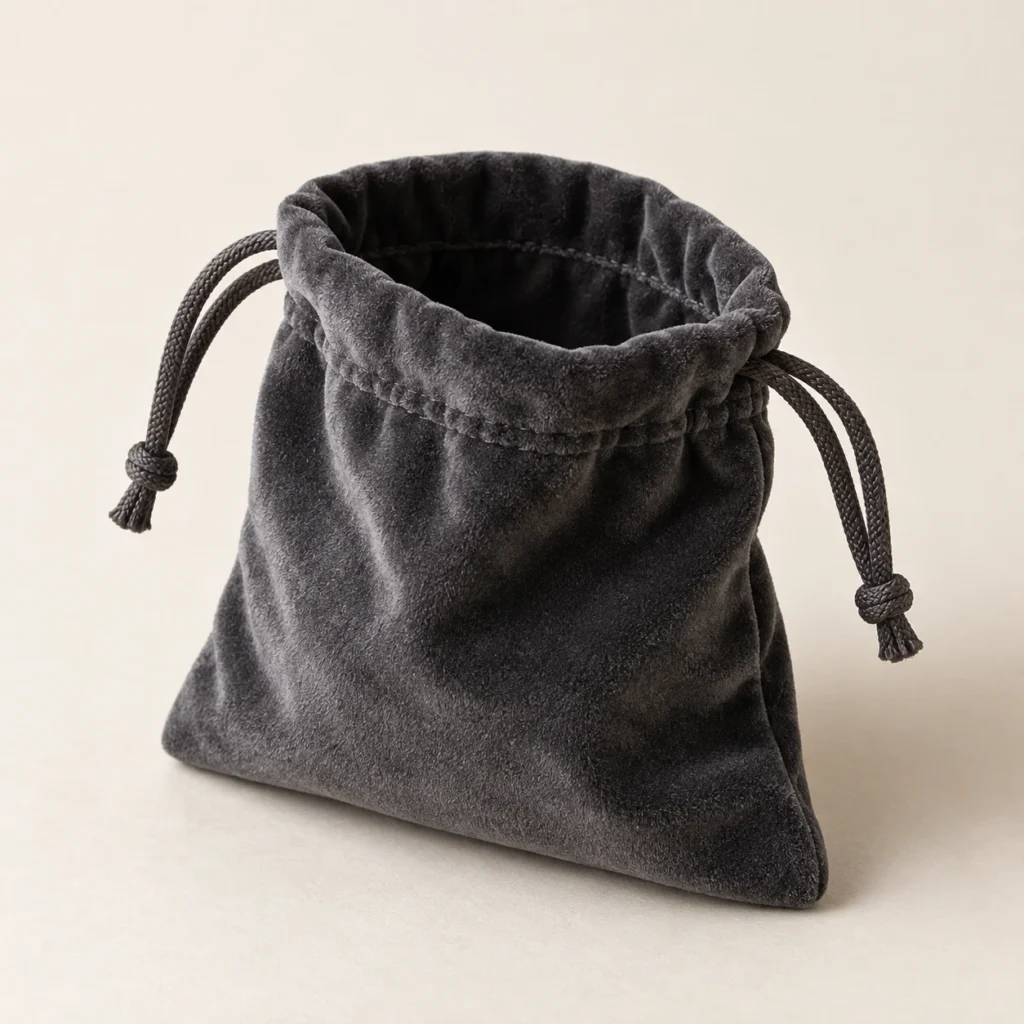
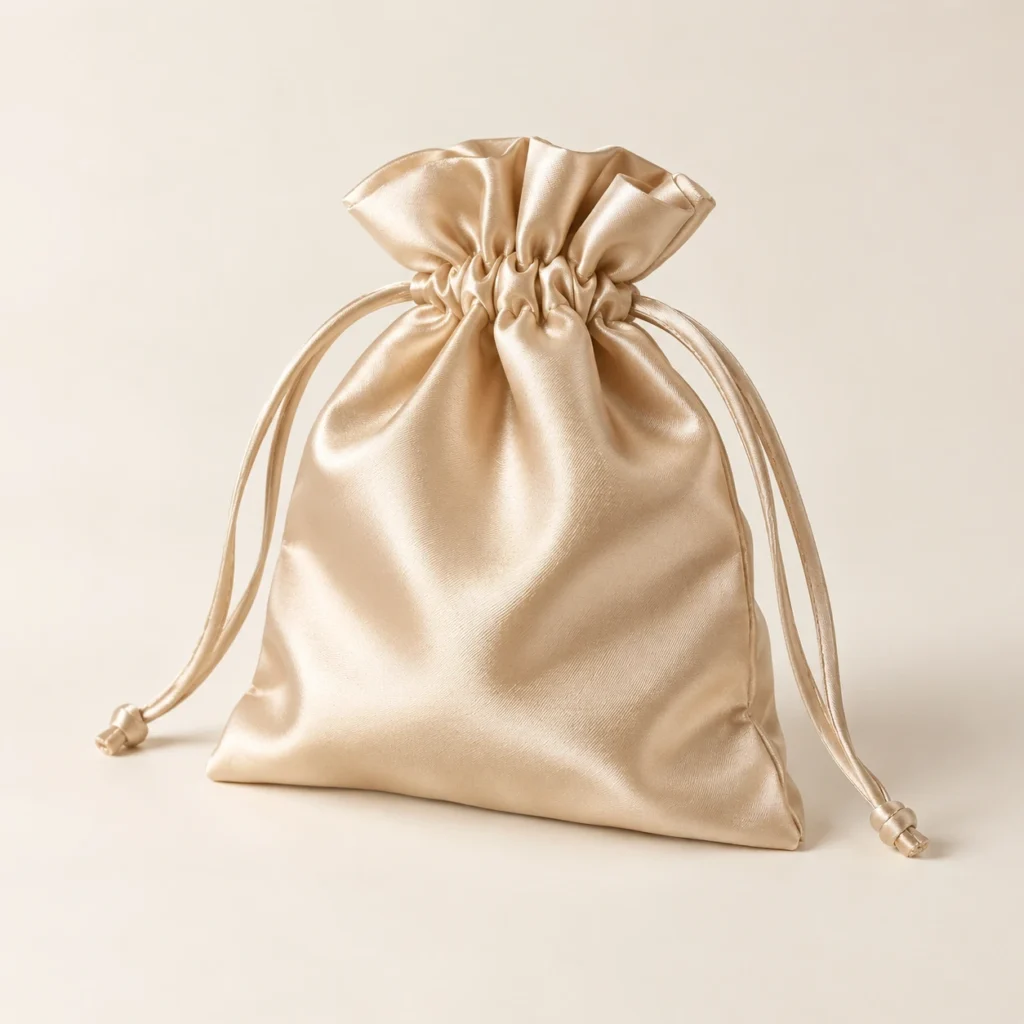
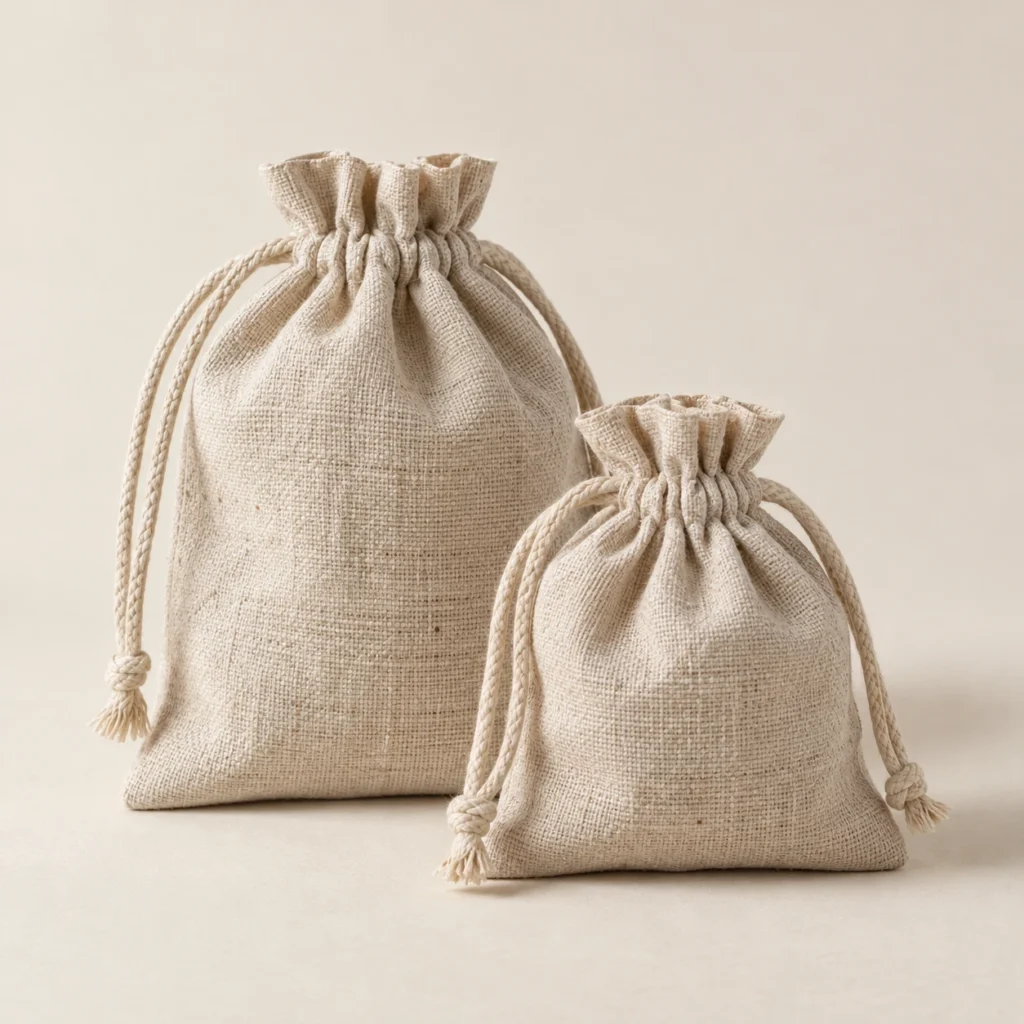
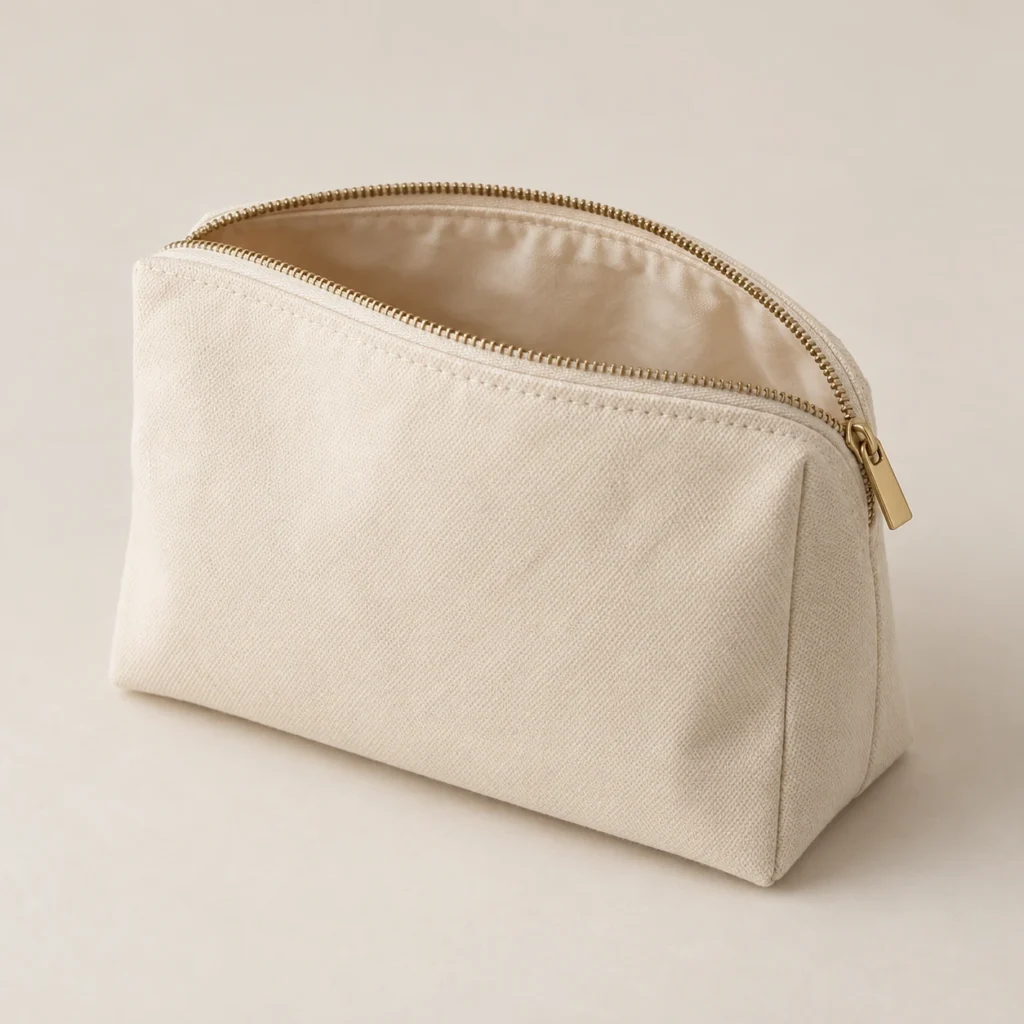
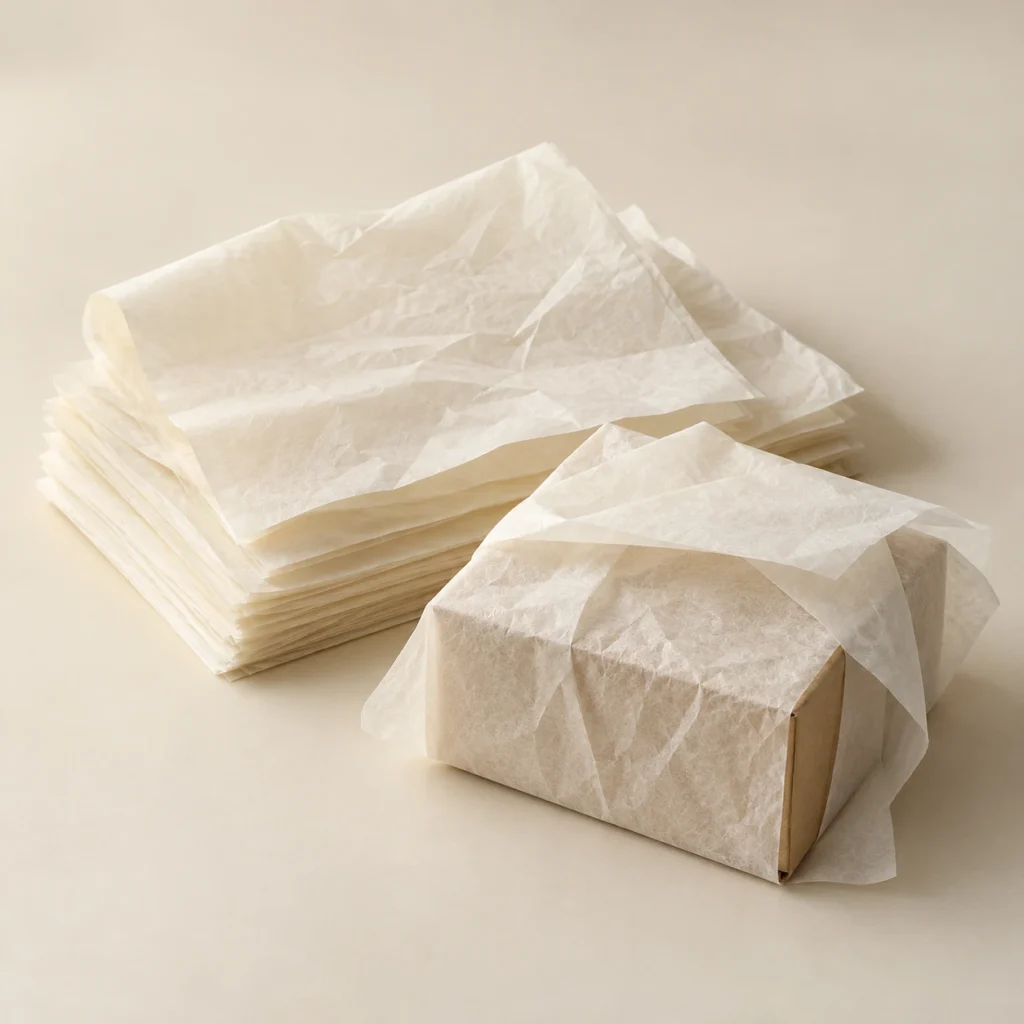
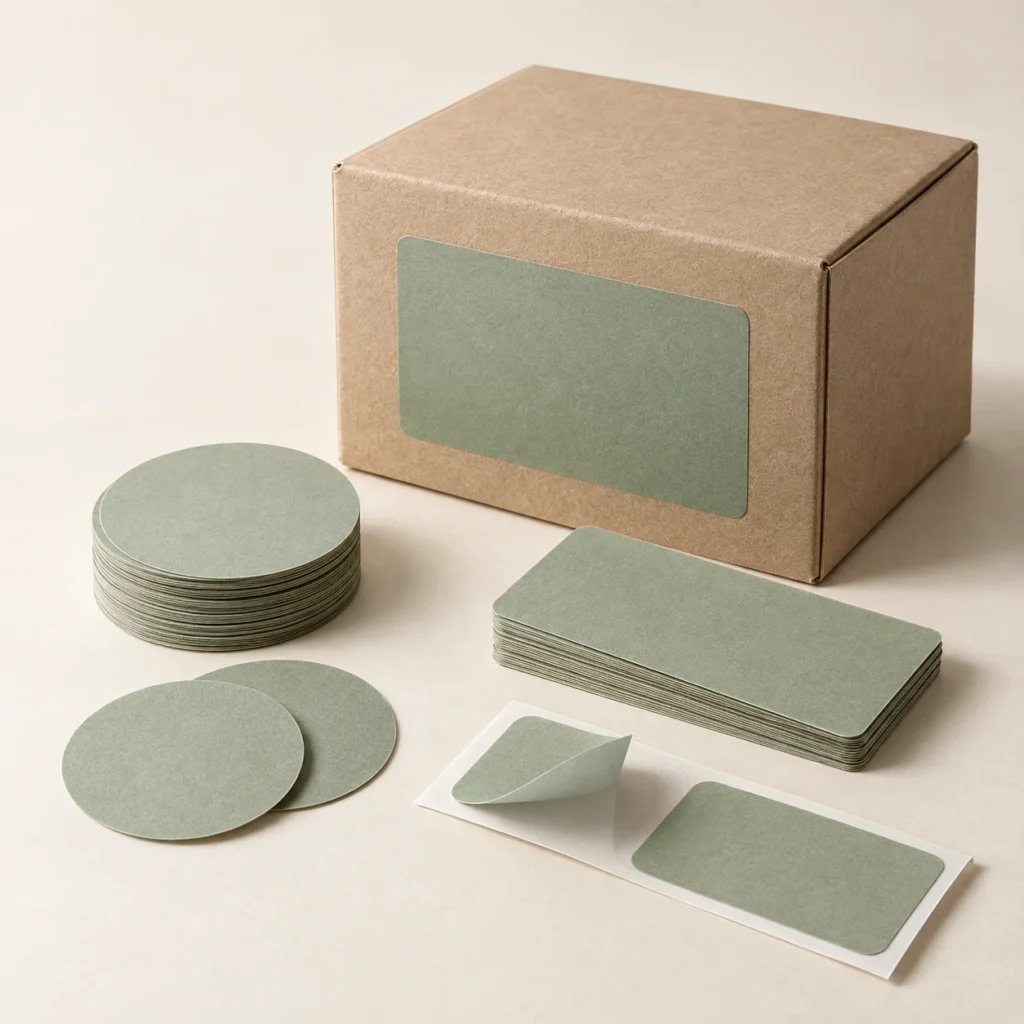
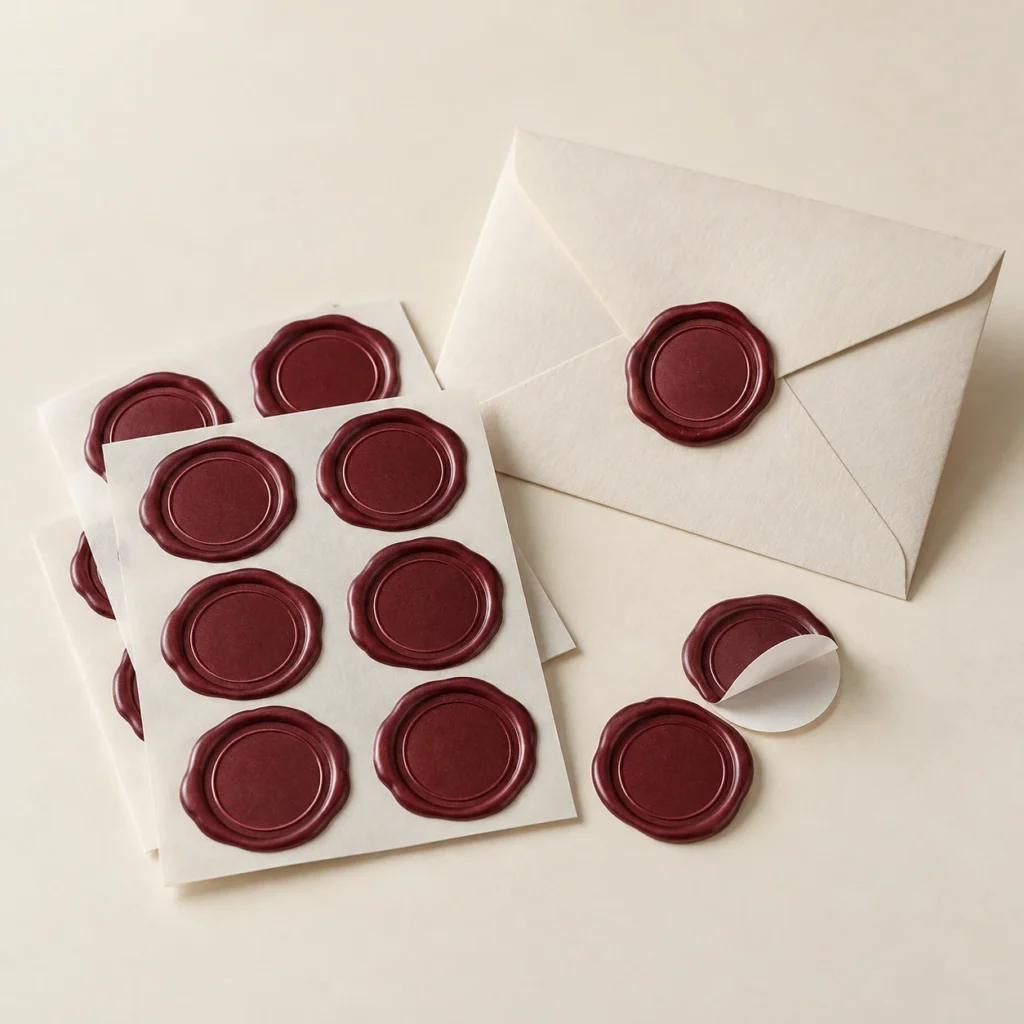
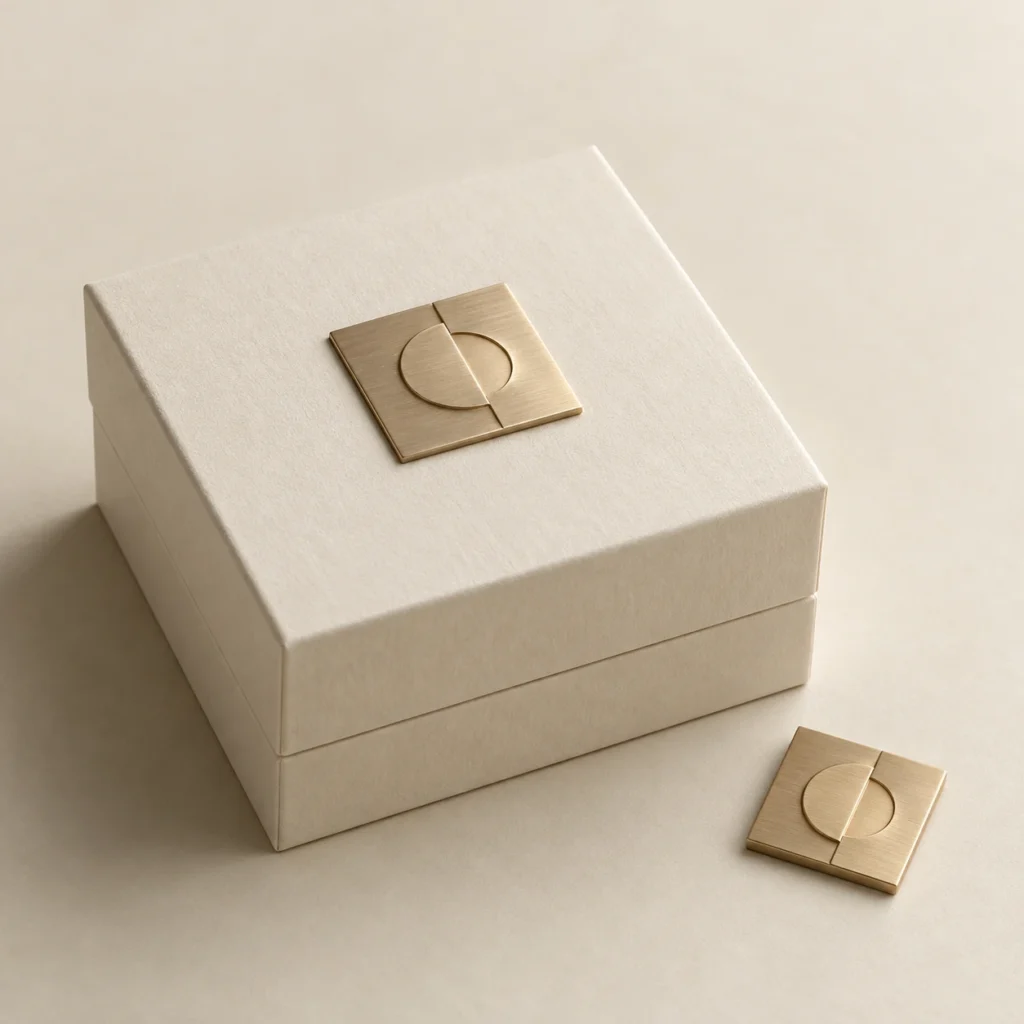
Coordinate bags, pouches, tissue, labels, ribbons and decorative details with the main packaging project. Specify the accessory function before matching its appearance.
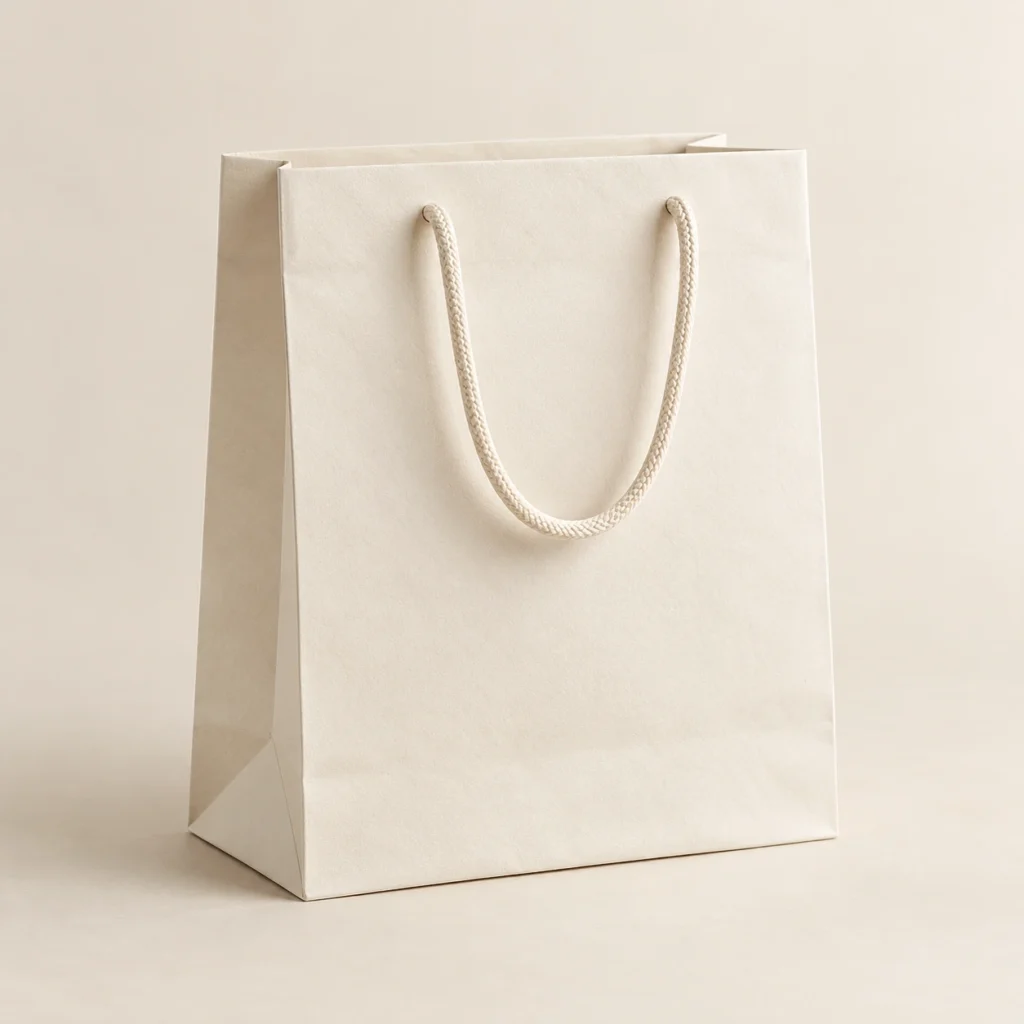
AI concept: an ivory gusseted paper shopping bag with rope handles.
Keep accessories in the same approval record
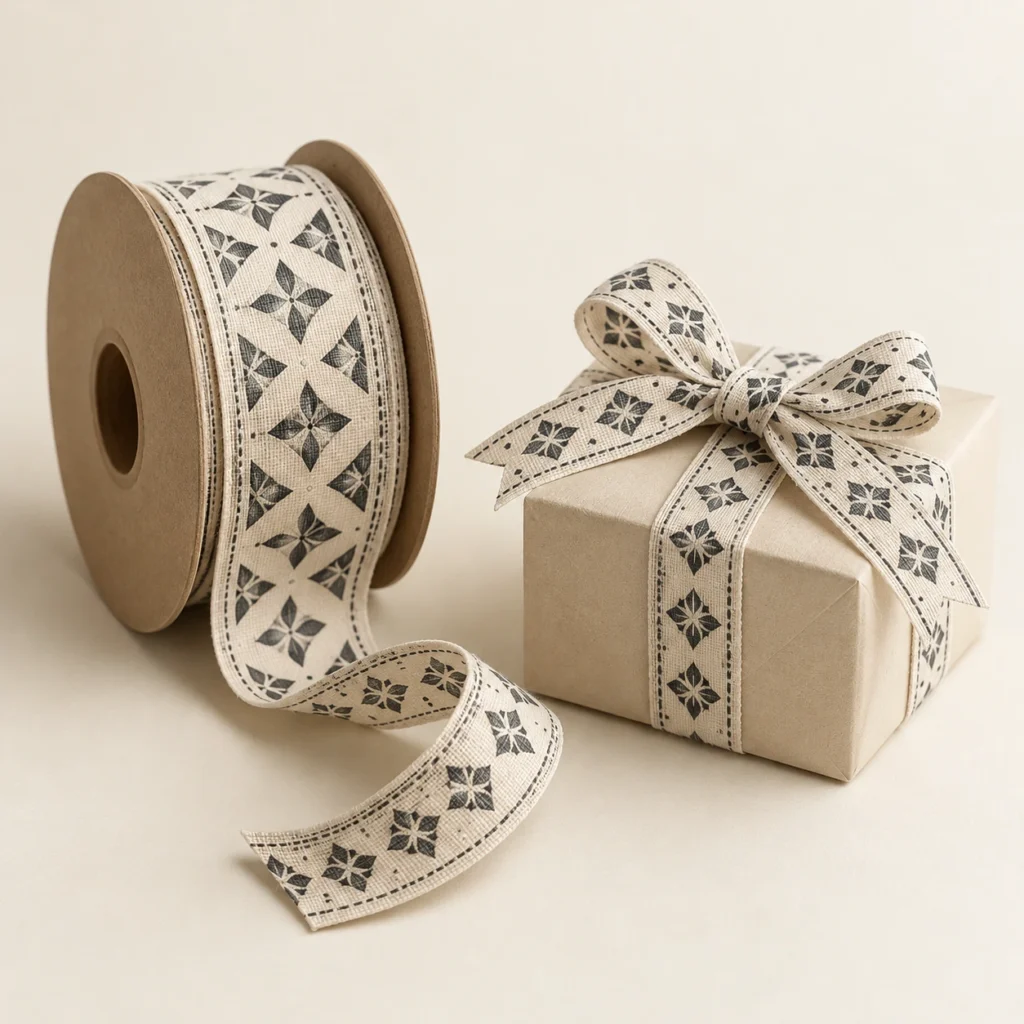
Brand and wholesale buyers should distinguish the carrying item, the presentation layer and the SKU-identification detail. A shopping bag needs its own size and handle review; a pouch needs usable internal space and closure details; a ribbon or label needs a controlled colour and artwork reference. LUX BOX normally coordinates these items with the box project. Availability, separate quantities and any standalone supply request need confirmation.
What to put in the brief
List the accessories and quantities separately from the boxes.
Review actual colour references across different paper, textile and printed surfaces.
Confirm how each component is packed, supplied and used during set assembly.
AI concept: ivory ribbon with a dark geometric print on a spool and a matching tied gift box.
Questions to resolve before the next step
Will the bag, ribbon and box look identical if they share one colour name?
Different surfaces and processes can show colour differently. Approve the relevant physical references together and agree the acceptable appearance for each component.
Can accessories be quoted without the main box?
Describe the accessory, specification and quantity. Standalone supply and exceptions to the usual project scope need confirmation.
Share the component, intended box or product, dimensions, artwork reference, estimated quantity and destination. LUX BOX will review the selection and sampling scope. Material and accessory supply conditions are confirmed for the project.
A product photo and a rough quantity are enough to begin. Our purchasing and structural teams will clarify dimensions, materials and finishes with you step by step. Standard MOQ is near 1,000 pieces; smaller runs require review.



 Accessory