Paperboard and cardstock are used for printed folding cartons, sleeves and folded inserts. Compare SBS, FBB and reviewed recycled-board grades on their actual surface, caliper and converting behaviour.
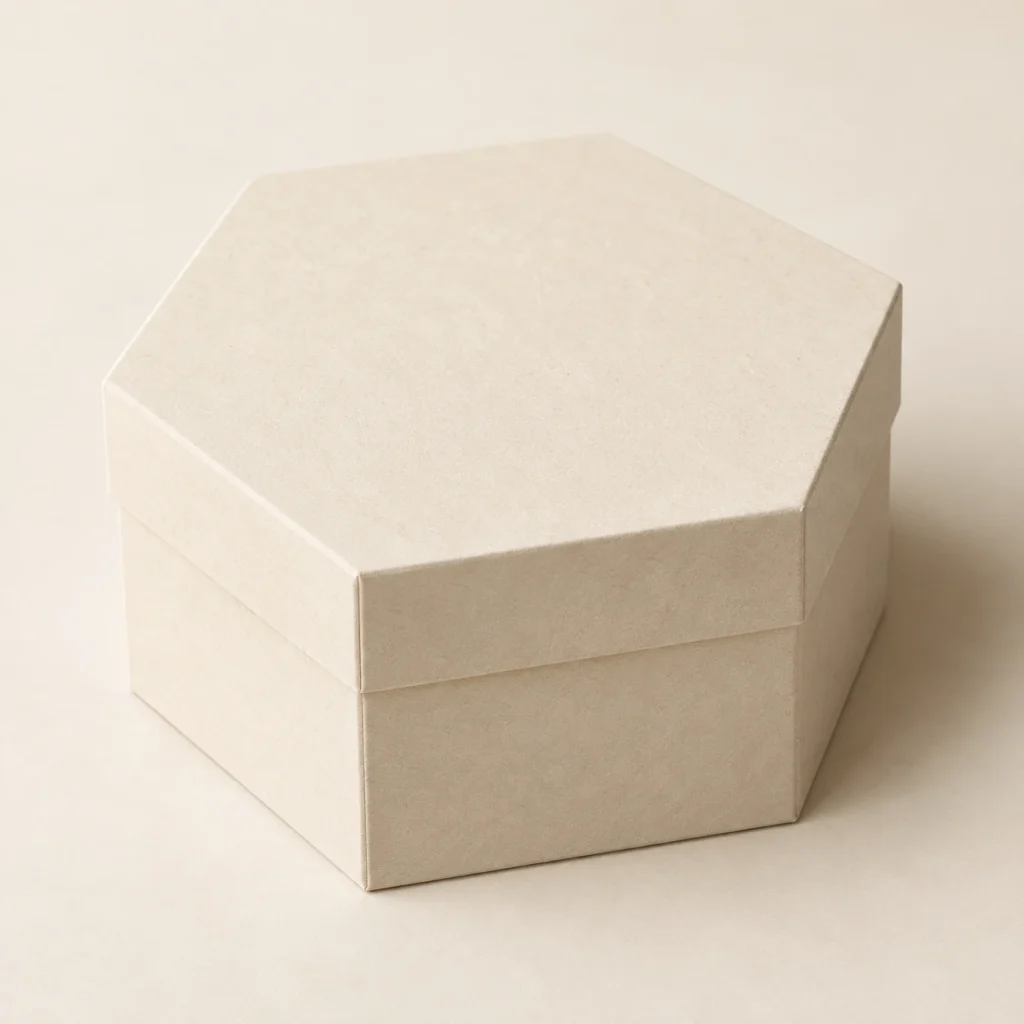
AI concept: white solid paperboard sheets and a small white carton.
Grade, caliper and converting requirements
Identify SBS, FBB or the proposed recycled-board grade and document both gsm and caliper where needed. There is no confirmed universal weight range across all Lux Box products. Review crease behaviour, surface, printed sides and any laminate on the actual grade. Greyboard is used as a separate rigid core, while corrugated board includes a fluted layer; neither is a direct substitute for a folding-carton stock merely because its thickness looks similar.
Go beyond grammage when comparing quotations
Carton buyers and OEM/ODM packing teams need a board that prints and folds appropriately on the approved dieline. The same basis weight does not guarantee the same thickness or stiffness across grades. Grain direction, creases and the coating also matter. Ask for an identifiable grade and sample when evaluating an alternative instead of accepting a generic cardstock description.
Choose the print surface for the artwork
Printed SBS paperboard and other coated grades can offer a different background from kraft or recycled board. Check fine text, large colour areas and any reverse-side printing on the selected sample. Do not assume a board grade establishes product-contact approval or finished-pack certification. Keep the carton specification aligned with the container and filling process.
Compare the board against creasing and print requirements
Carton and sleeve buyers need a usable board specification, not a choice based only on grammage. Record the selected grade, caliper, printable face and crease direction with the approved dieline. SBS, FBB and recycled-board options should be reviewed as distinct material proposals. Their appearance in an illustration cannot establish fibre content or regulated-use suitability.
Decision
What to compare
Confirm before approval
Printed carton shell
Folding and closing
Grade, caliper and crease behaviour
Sleeve or band
Wrapping a separate item
Fit, friction and scoring
Folded insert
Holding an item inside the box
Tabs, loading and retention
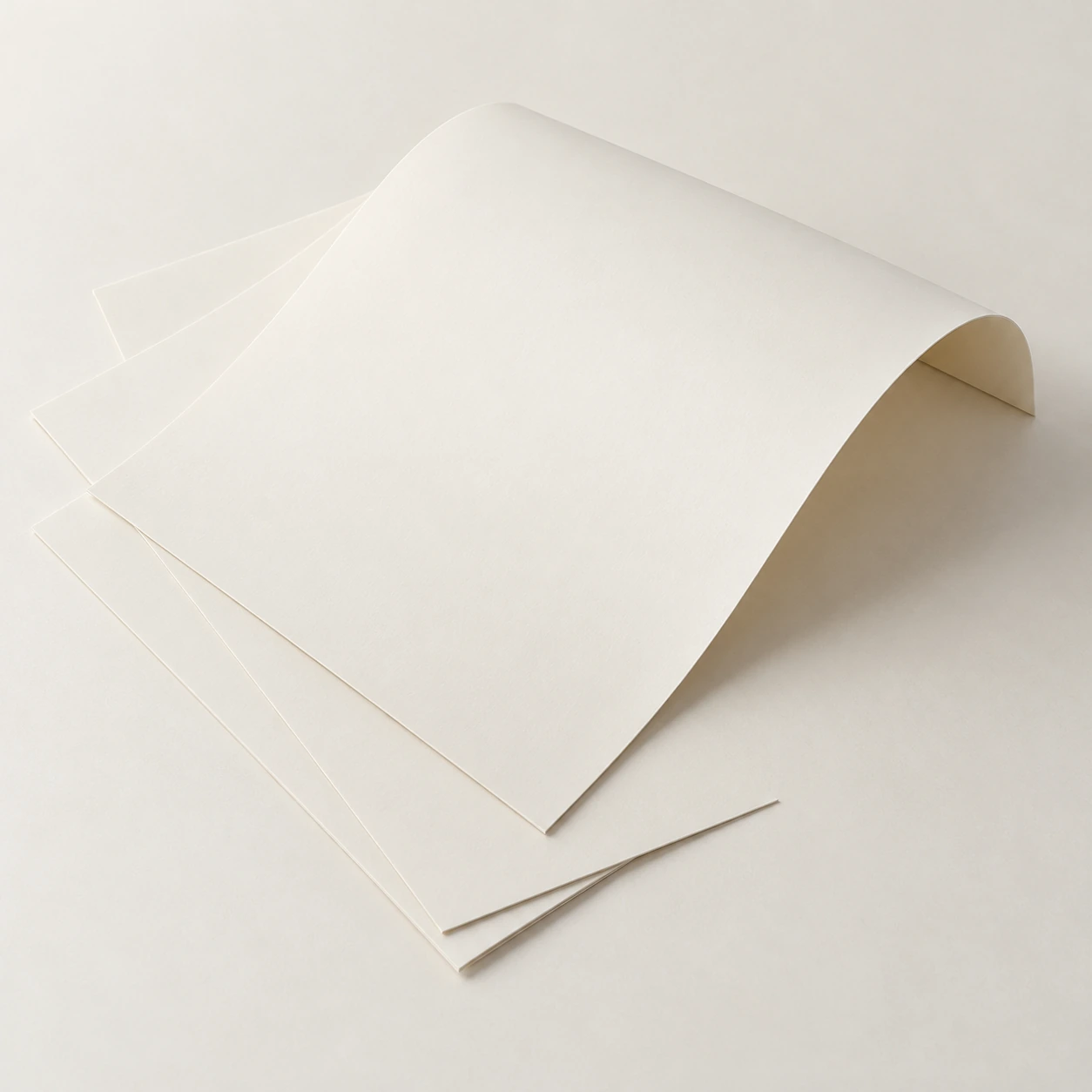
AI concept: thin ivory folding boxboard sheets, gently fanned with one curved sheet.
Information for a comparable quotation
Supply the carton dieline, filled weight, required grade or reference sample, printed sides and finish. Identify any direct-contact or documented sourcing requirement separately.
Order planning
The usual basis for finished paperboard packaging is 1,000 pieces and 35 production days. Confirm the particular grade, converted sample and artwork before the order is released.
No. Include the grade, caliper, surface and relevant folding requirements. Different constructions can behave differently at the same basis weight.
Are SBS and FBB interchangeable?
They are different board specifications. A substitution needs review of the print result, stiffness, folding and sample rather than a name-only comparison.
Can the same paperboard serve as both carton and insert?
It may be assessed for both roles, but the insert's load and retention requirements differ from those of the outer printed panels.
A paper tube creates a cylindrical outer presentation even when the bottle is rectangular.
MOQ: Usually 1,000 pieces. Exceptions are confirmed for the selected product and specification.
View Details →
Start With a Photo and a Rough Quantity
Not sure which material suits your product?
Share your vessel dimensions, product photo or rough quantity. Our purchasing and structural teams will recommend a material and structure, then confirm costing, samples and lead time with the factory.