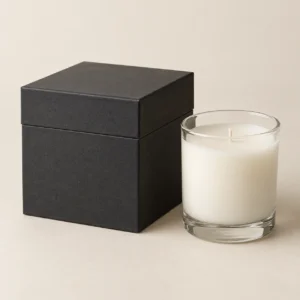
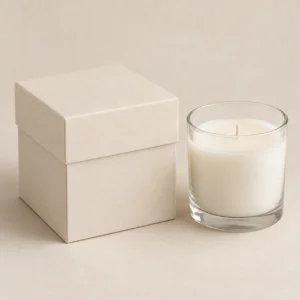
Specialty paper adds a chosen colour, texture or surface character to packaging wraps and linings. Review physical paper references before specifying logo treatments or coordinating a full product range.
Stock weight, texture and finishing compatibility
Record the actual paper reference and its stated gsm, with caliper and grain or texture direction where they affect wrapping. Availability determines the options; no numerical range is asserted without a supplier specification. Print, foil and embossing need review on the intended surface, especially for fine detail. Compared with a smooth printed wrap, a pre-textured or coloured stock provides an existing surface character that may change the finishing brief.
Let the paper and artwork work together
Luxury packaging teams and gift brands need to check fine lettering, foil coverage and the direction of a visible texture on the actual stock. A textured sheet, metallic effect and leatherette appearance are different material choices. Their visual character may reduce the need for extra finishing, but compatibility still needs to be demonstrated on the selected construction.
Control repeatability and substitutions
Paper colour and texture can become the main brand identifier. Record the approved reference and confirm availability before repeating an order or expanding the range. A superficially similar substitute may change the appearance of both the wrap and the logo. Material descriptions do not prove fibre content, durability or environmental certification.
Information for a comparable quotation
Send a physical or identifiable paper reference, box style, wrap dimensions, texture direction and logo artwork. Confirm whether the desired effect should come from the stock or a separate finishing process.
Order planning
For complete specialty-paper packaging, plan around 1,000 pieces and 35 production days as the usual basis. Confirm the selected stock and any supply-dependent exception in the quotation.
Related selections: Rigid Boxes, Greyboard.
Request a quote for specialty paper
Send the actual product dimensions, preferred structure, material and finish requirements, artwork or reference, estimated order quantity and destination country. LUX BOX will review the specification and sampling scope for your specialty paper project.
Request a Quote
Questions about specialty paper
Is textured paper the same as embossing a printed sheet?
No. One selects an existing paper surface; the other applies a separate impression process. Specify which effect you need for quotation and sampling.
Can fine foil artwork work on a rough paper surface?
It needs a sample on the actual paper and a review of the artwork detail. A smooth-stock result should not be assumed to transfer unchanged.
Does leatherette paper contain leather?
The visual description does not establish composition. Ask for the actual stock specification before making a material claim.